Search
Search
Remove Ads
Subscribe to Digest
Log in
Vaden
Student Government
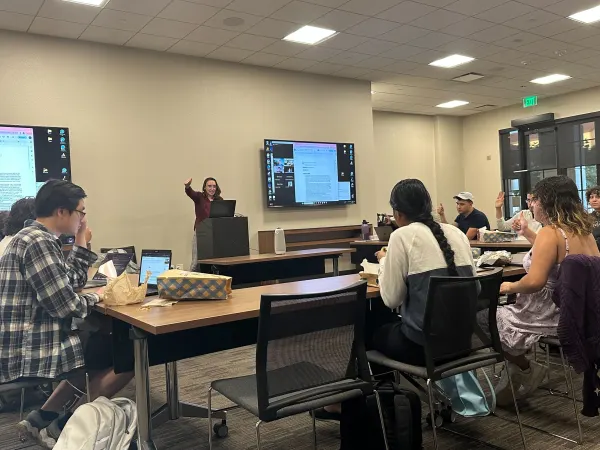
GSC fills new positions, passes bill to create Community Center Working Group
Leo Melton
•
June 1
University
Vaden Medical Services to join Stanford Health Care
Alula Alderson
and
Kayla Chan
•
May 21
The Grind
On invisible residential labor
Dawn Royster
•
April 29
Humor
Cardinal Care debuts affordable ad-supported plan
Paul Fertig
•
Nov. 17
University
University switches student health insurance carrier
Mary Zheng
•
Oct. 6
News
University cuts Stanford Living Education program
Naomi Breuer
,
Kaveri Udupa
and
Varnika Arun
•
Sept. 21
News
Graduate Student Council addresses free speech bills
Melisa Ezgi Guleryuz
•
May 16, 2024
Science & Technology
Rx? More like ARTx: Stanford launches Art Prescriptions for student wellness
Shreya Komar
•
April 4, 2024
News
GSC passes funding guidelines reform, moves to expel two members
Aradshar Chaddar
•
Sept. 27, 2023
Health
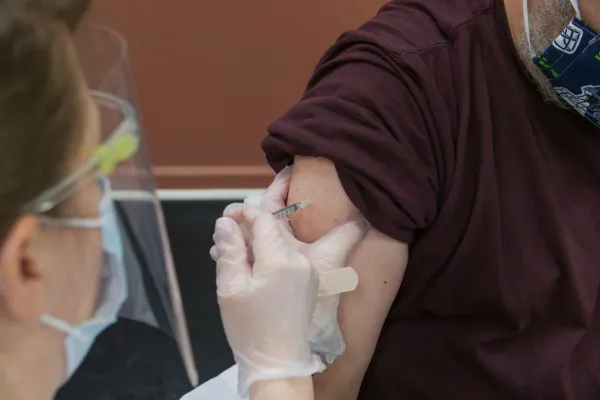
Stanford to end COVID-19 vaccination requirement, beginning April 10
Carolyn Stein
•
April 5, 2023
Health
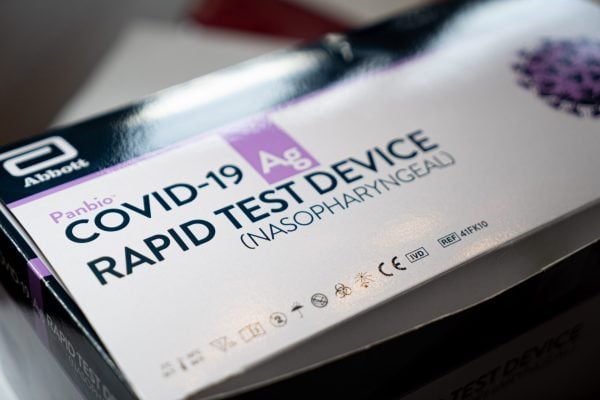
Stanford to end Color COVID-19 testing program, still provide rapid tests
Gracie Sandman
•
March 9, 2023
University
Stanford ‘strongly recommends’ classroom masking for January
Caroline Chen
•
Jan. 8, 2023
Academics
GSC discusses campus affordability, hears about CAPS collaboration with non-profit
Sakshi Umrotkar
•
Oct. 19, 2022
Science & Technology
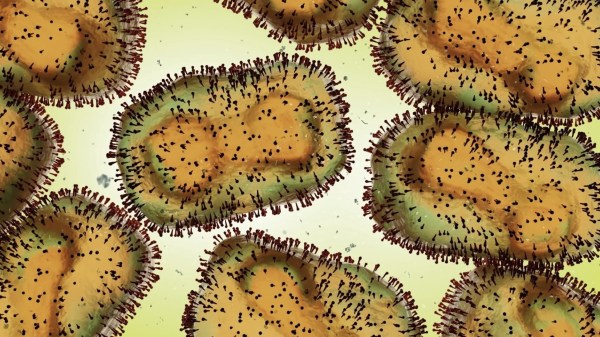
Monkeypox: What you need to know
Judy N. Liu
•
Sept. 26, 2022
Campus Life
As Stanford navigates tragedy, support is available now. Here is how to get it.
Georgia Rosenberg
•
March 6, 2022
Campus Life
Despite rise in COVID-19 cases, Stanford moves forward with original Thanksgiving break plans
Oriana Riley
•
Nov. 17, 2021
News
Students Supporting Body Positivity combats eating disorders on campus
Lexi Kupor
•
Nov. 10, 2021
Humor
In effort to reach more students, CAPS renames itself Stanford Missed Connections
Simran Tandon
•
Oct. 18, 2020
Humor
Vaden wonders if bulk deal on used condoms was worth it
Emma Parsons
•
Oct. 4, 2020
University
Stanford establishes campus compact appeal process, in-person undergraduate research to resume
Sam Catania
and
Cameron Ehsan
•
Sept. 5, 2020
Previous
Page
1
Page
2
Page
3
…
Page
5
Next
Search
Search
News
Academics
Campus Life
Data
Equity Project
Graduate Students
Science & Technology
University
Sports
Fall Sports
Cross Country
Field Hockey
Football
Men’s Soccer
Men’s Water Polo
Women’s Soccer
Women’s Volleyball
Winter Sports
Fencing
Men’s Basketball
Men’s Gymnastics
Men’s Swimming & Diving
Squash
Women’s Basketball
Women’s Gymnastics
Women’s Swimming & Diving
Artistic Swimming
Wrestling
Spring Sports
Baseball
Beach Volleyball
Lacrosse
Men’s Golf
Men’s Rowing
Men’s Tennis
Men’s Volleyball
Sailing
Softball
Track & Field
Women’s Golf
Women’s Lightweight Rowing
Women’s Rowing
Women’s Tennis
Women’s Water Polo
Columnists
Features
Opinions
Columnists
Editorial Board
Letters to the Editor
Letters to the Community
Arts & Life
Culture
Music
Reads
Screen
Grind
Senior Column
Humor
Cartoons
Data
Video
Games
Daily Diminutive
Small puzzles released multiple times a week
Full-Sized Crossword
Classic NYT-style puzzles released intermittently
Stanfordle
Special Editions
Magazine
Third-Party Advertising
Search
News
Academics
Campus Life
Data
Equity Project
Graduate Students
Science & Technology
University
Sports
Fall Sports
Cross Country
Field Hockey
Football
Men’s Soccer
Men’s Water Polo
Women’s Soccer
Women’s Volleyball
Winter Sports
Fencing
Men’s Basketball
Men’s Gymnastics
Men’s Swimming & Diving
Squash
Women’s Basketball
Women’s Gymnastics
Women’s Swimming & Diving
Artistic Swimming
Wrestling
Spring Sports
Baseball
Beach Volleyball
Lacrosse
Men’s Golf
Men’s Rowing
Men’s Tennis
Men’s Volleyball
Sailing
Softball
Track & Field
Women’s Golf
Women’s Lightweight Rowing
Women’s Rowing
Women’s Tennis
Women’s Water Polo
Columnists
Features
Opinions
Columnists
Editorial Board
Letters to the Editor
Letters to the Community
Arts & Life
Culture
Music
Reads
Screen
Grind
Senior Column
Humor
Cartoons
Data
Video
Games
Daily Diminutive
Small puzzles released multiple times a week
Full-Sized Crossword
Classic NYT-style puzzles released intermittently
Stanfordle
Special Editions
Magazine
Third-Party Advertising
The Stanford Daily
Login or create an account
Username or Email Address
*
Password
Remember Me
Register
|
Lost your password?
Username or Email Address
Password
Remember Me
Log In
Lost your password?
|
Register