Search
Search
Remove Ads
Subscribe to Digest
Log in
Obama
University
Former diplomat claims Obama, Trump failed on North Korea policy at CISAC event
Tianyue (Tommy) Kuang
•
Nov. 19
Opinions
Stanford must learn from UC Berkeley’s political culture
Leo Abramsky-Sze
•
Nov. 17, 2024
Opinions
Opinion | This midterm season, the fight for reproductive rights goes beyond Roe v. Wade
Miriam Awan
•
Nov. 3, 2022
News
Five Stanford students awarded inaugural Obama-Chesky Voyager Scholarship
Hannah Freitag
•
Oct. 23, 2022
Speakers & Events
Stanford: Obama’s next stop on his campaign against disinformation
Jed Ngalande
•
April 21, 2022
News
Former White House attorney talks civil rights, Iran deal
Richard Coca
•
May 21, 2019
Opinions
Foreign Policy in the United States
Sarah Myers
•
April 11, 2019
Featured
By the people, for the people?
Ellie Bowen
•
April 5, 2019
Sen. Cory Booker’s former Stanford classmate forms Super PAC in support of potential presidential run
Zora Ilunga-Reed
•
Jan. 8, 2019
Stanford Title IX procedures remain unchanged as DeVos unveils new sexual assault regulations
Adesuwa Agbonile
•
Nov. 17, 2018
New federal sexual assault regulations will roll back protections for victims. How might this impact Stanford’s campus?
Adesuwa Agbonile
•
Sept. 4, 2018
Stanford alum advocates for solar energy in seminar on new book
Holden Foreman
•
April 3, 2018
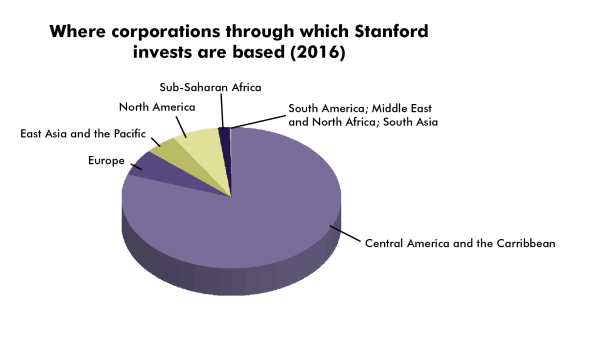
Stanford investing billions offshore through Central America and Caribbean groups, tax returns show
Brian Contreras
•
Feb. 20, 2018
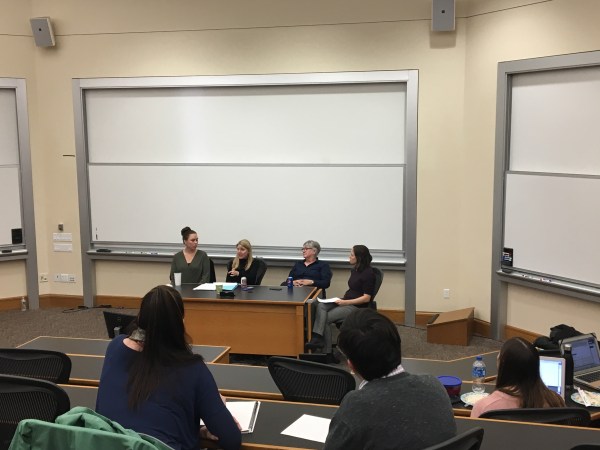
Amid national change, administrators reaffirm Title IX policies at panel
Sophie Stuber
•
Nov. 22, 2017
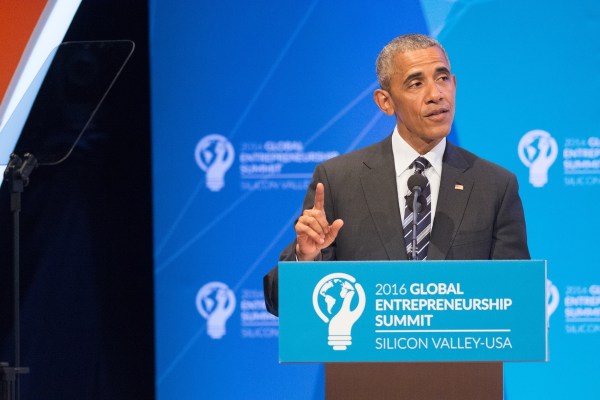
President Obama talks inclusive entrepreneurship, moderates panel with Mark Zuckerberg
Kylie Jue
•
June 24, 2016
The curious case of United States v. Texas
Alex Twinem
•
April 20, 2016
The politics of grieving
Rhea Karuturi
•
Jan. 12, 2016
Republican Righteousness on Democratic Dictatorship
Ruairí Arrieta-Kenna
•
Jan. 6, 2016
Yes, it’s boots on the ground in Syria
Winston Shi
•
Nov. 8, 2015
News
Q&A: Understanding nuclear negotiations with Iran
Zachary Brown
•
May 5, 2015
Previous
Page
1
Page
2
Page
3
Next
Search
Search
News
Academics
Campus Life
Data
Equity Project
Graduate Students
Science & Technology
University
Sports
Fall Sports
Cross Country
Field Hockey
Football
Men’s Soccer
Men’s Water Polo
Women’s Soccer
Women’s Volleyball
Winter Sports
Fencing
Men’s Basketball
Men’s Gymnastics
Men’s Swimming & Diving
Squash
Women’s Basketball
Women’s Gymnastics
Women’s Swimming & Diving
Artistic Swimming
Wrestling
Spring Sports
Baseball
Beach Volleyball
Lacrosse
Men’s Golf
Men’s Rowing
Men’s Tennis
Men’s Volleyball
Sailing
Softball
Track & Field
Women’s Golf
Women’s Lightweight Rowing
Women’s Rowing
Women’s Tennis
Women’s Water Polo
Columnists
Features
Opinions
Columnists
Editorial Board
Letters to the Editor
Letters to the Community
Arts & Life
Culture
Music
Reads
Screen
Grind
Senior Column
Humor
Cartoons
Data
Video
Games
Daily Diminutive
Small puzzles released multiple times a week
Full-Sized Crossword
Classic NYT-style puzzles released intermittently
Stanfordle
Special Editions
Magazine
Third-Party Advertising
Search
News
Academics
Campus Life
Data
Equity Project
Graduate Students
Science & Technology
University
Sports
Fall Sports
Cross Country
Field Hockey
Football
Men’s Soccer
Men’s Water Polo
Women’s Soccer
Women’s Volleyball
Winter Sports
Fencing
Men’s Basketball
Men’s Gymnastics
Men’s Swimming & Diving
Squash
Women’s Basketball
Women’s Gymnastics
Women’s Swimming & Diving
Artistic Swimming
Wrestling
Spring Sports
Baseball
Beach Volleyball
Lacrosse
Men’s Golf
Men’s Rowing
Men’s Tennis
Men’s Volleyball
Sailing
Softball
Track & Field
Women’s Golf
Women’s Lightweight Rowing
Women’s Rowing
Women’s Tennis
Women’s Water Polo
Columnists
Features
Opinions
Columnists
Editorial Board
Letters to the Editor
Letters to the Community
Arts & Life
Culture
Music
Reads
Screen
Grind
Senior Column
Humor
Cartoons
Data
Video
Games
Daily Diminutive
Small puzzles released multiple times a week
Full-Sized Crossword
Classic NYT-style puzzles released intermittently
Stanfordle
Special Editions
Magazine
Third-Party Advertising
The Stanford Daily
Login or create an account
Username or Email Address
*
Password
Remember Me
Register
|
Lost your password?
Username or Email Address
Password
Remember Me
Log In
Lost your password?
|
Register


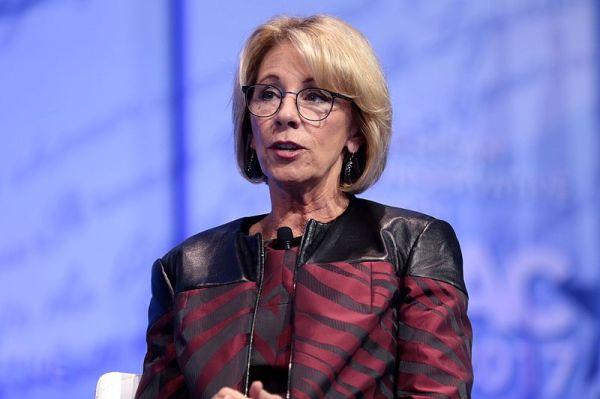
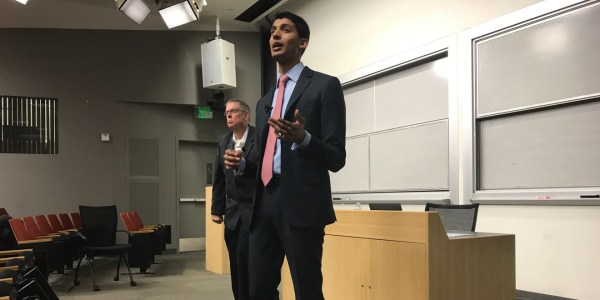

New federal sexual assault regulations will roll back protections for victims. How might this impact Stanford’s campus?