Search
Search
Remove Ads
Subscribe to Digest
Log in
media
Screen
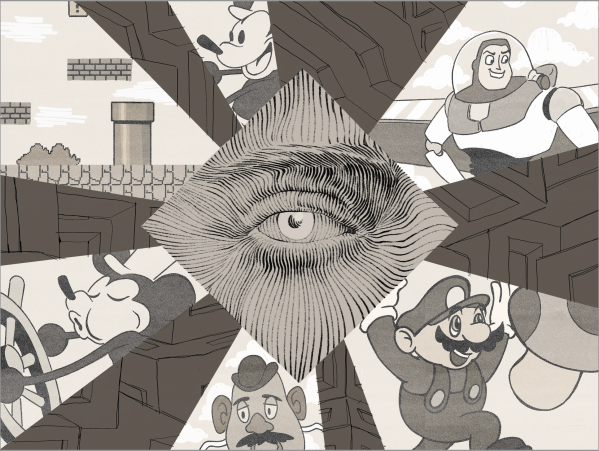
Poetry Into Film Festival illustrates power of mixed media art
Ayla Gharavi
•
May 20
Screen
Cinema at war with itself: The internal struggle of modern movies
Iman Monnoo
•
May 18
Men's Basketball
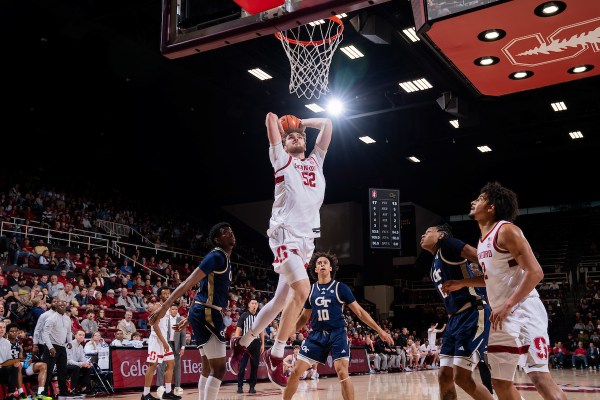
Men’s basketball comeback falls short against Cal
Sophie Chen
•
Feb. 22
Culture
GSB examines storytelling, creativity and strategy at annual FAME Conference
Melita D’Souza
•
Jan. 29
Humor
‘Celebration by fire’: Stanford Review finally meets content minimum
Sebastian Strawser
•
May 25, 2025
Campus Life
‘Think like a creator, but behave like a journalist’: Symposium surveys an evolving media landscape
Alana Belle M. Tirado
•
April 30, 2025
Humor
News section burns out covering Trump, goes on hiatus
Sebastian Strawser
•
April 29, 2025
University
Wildfires surge across the southeastern US
Leo Melton
•
March 14, 2025
Science & Technology
Q&A: Josh Constine on power shifts in journalism and the rise of independent media
Evy Shen
•
March 13, 2025
Culture
Trope-tastic: What can we do about Mary Sue?
Ellaheh Gohari
•
March 10, 2025
Culture
Traveler, Your (Digital) Footprints: Savant Vibes
Chuer Yang
•
March 9, 2025
Speakers & Events
Eisinger warns of attacks on journalism in GSB event
Sam Solomon
•
March 4, 2025
Culture
Stanford in the Media: Gabriella Montez and High School Musical 3
Emma Muller
•
Feb. 26, 2025
Cartoons
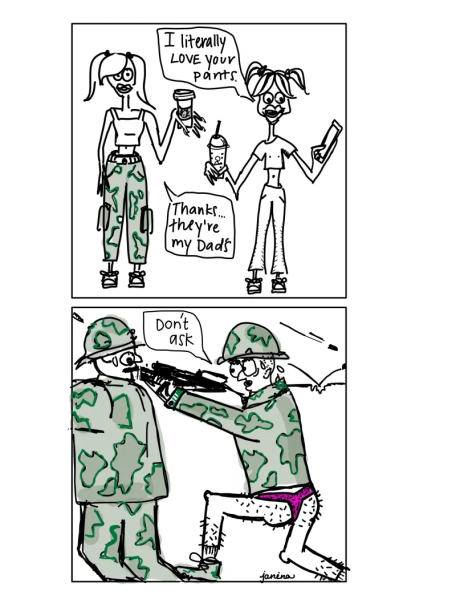
Nice pants!
Janina Troper
•
Feb. 17, 2025
The Grind
The Trump era: Coming of age in three elections
Dyllan Han
•
Oct. 28, 2024
The Grind
You’ve been Gilmored: Coffee, coffee, coffee
Olena Bogdan
•
May 8, 2024
The Grind
You’ve Been Gilmored: Cross the Lorelai-ne
Olena Bogdan
•
March 15, 2024
The Grind
Drunken Angel: The Kon Ichikawa phobia
Alice Fang
•
March 13, 2024
The Grind
You’ve been ‘Gilmored’: Love, Lorelai and Plato
Olena Bogdan
•
Feb. 21, 2024
World & Nation
‘The media gives it more life’: New York Times writer speaks on polarization
Linda Liu
•
Jan. 22, 2024
Previous
Page
1
Page
2
Page
3
…
Page
5
Next
Search
Search
News
Academics
Campus Life
Data
Equity Project
Graduate Students
Science & Technology
University
Sports
Fall Sports
Cross Country
Field Hockey
Football
Men’s Soccer
Men’s Water Polo
Women’s Soccer
Women’s Volleyball
Winter Sports
Fencing
Men’s Basketball
Men’s Gymnastics
Men’s Swimming & Diving
Squash
Women’s Basketball
Women’s Gymnastics
Women’s Swimming & Diving
Artistic Swimming
Wrestling
Spring Sports
Baseball
Beach Volleyball
Lacrosse
Men’s Golf
Men’s Rowing
Men’s Tennis
Men’s Volleyball
Sailing
Softball
Track & Field
Women’s Golf
Women’s Lightweight Rowing
Women’s Rowing
Women’s Tennis
Women’s Water Polo
Columnists
Features
Opinions
Columnists
Editorial Board
Letters to the Editor
Letters to the Community
Arts & Life
Culture
Music
Reads
Screen
Grind
Senior Column
Humor
Cartoons
Data
Video
Games
Daily Diminutive
Small puzzles released multiple times a week
Full-Sized Crossword
Classic NYT-style puzzles released intermittently
Stanfordle
Special Editions
Magazine
Third-Party Advertising
Search
News
Academics
Campus Life
Data
Equity Project
Graduate Students
Science & Technology
University
Sports
Fall Sports
Cross Country
Field Hockey
Football
Men’s Soccer
Men’s Water Polo
Women’s Soccer
Women’s Volleyball
Winter Sports
Fencing
Men’s Basketball
Men’s Gymnastics
Men’s Swimming & Diving
Squash
Women’s Basketball
Women’s Gymnastics
Women’s Swimming & Diving
Artistic Swimming
Wrestling
Spring Sports
Baseball
Beach Volleyball
Lacrosse
Men’s Golf
Men’s Rowing
Men’s Tennis
Men’s Volleyball
Sailing
Softball
Track & Field
Women’s Golf
Women’s Lightweight Rowing
Women’s Rowing
Women’s Tennis
Women’s Water Polo
Columnists
Features
Opinions
Columnists
Editorial Board
Letters to the Editor
Letters to the Community
Arts & Life
Culture
Music
Reads
Screen
Grind
Senior Column
Humor
Cartoons
Data
Video
Games
Daily Diminutive
Small puzzles released multiple times a week
Full-Sized Crossword
Classic NYT-style puzzles released intermittently
Stanfordle
Special Editions
Magazine
Third-Party Advertising
The Stanford Daily
Login or create an account
Username or Email Address
*
Password
Remember Me
Register
|
Lost your password?
Username or Email Address
Password
Remember Me
Log In
Lost your password?
|
Register