Search
Search
Remove Ads
Subscribe to Digest
Log in
depression
Science & Technology
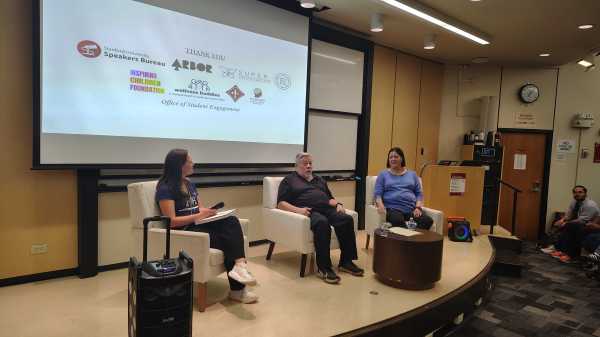
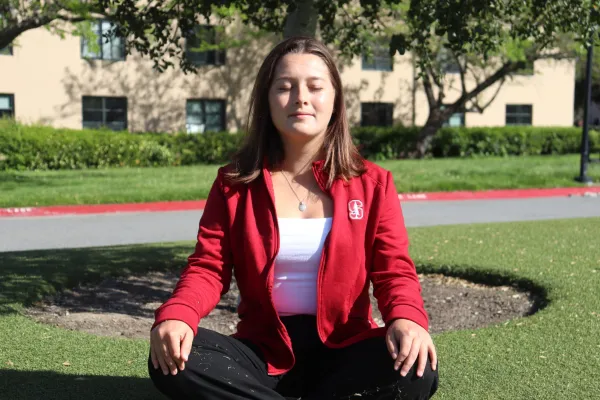
‘Well-being with Woz’: Apple co-founder shares life philosophy at mental health event
Angikar Ghosal
•
May 21
Sports
GameFACES: Athletes open up about being defined by sport
Rhea Pandya
•
May 20
The Grind
On invisible residential labor
Dawn Royster
•
April 29
Reads
Dirty Hungry Homosexuals: ‘The Moth Diaries’ merges obsessive queerness with mental illness
Dayanara Yepez Ramirez
•
April 28
The Grind
Senior Scaries: Why does everyone hate winter quarter?
Erin Ye
•
March 1
From the Community
From the Community | What we’re getting wrong about mental health — and what neuroscience really tells us
From the Community
•
July 19
The Grind
When a patient saves your life
Sasha Alexander
•
April 29, 2025
Humor
The news is too depressing, so here is a poem about a pack of Jell-O
Garrett Khatchaturian
•
March 31, 2025
From the Community
From the Community | The Bridge saved my life
From the Community
•
Jan. 12, 2025
The Grind
‘The Literature of the Absurd’: Meursault
Doran Goldman
•
May 17, 2023
Magazine
New hopes and enduring battles: Mental health two years into the pandemic
Sarina Deb
•
April 29, 2022
Campus Life
How Cherrial Odell ’25 began to heal
Zoe Edelman
•
April 21, 2022
The Grind
Untranslatable: ‘Tsundoku’
From the Community
•
April 21, 2022
Opinions
Opinion | The invisibility of the woman with ADHD
Malia Mendez
•
May 13, 2021
Health
New Stanford Medicine depression treatment has 90% success rate, study finds
Clyde John
•
Sept. 20, 2020
Research
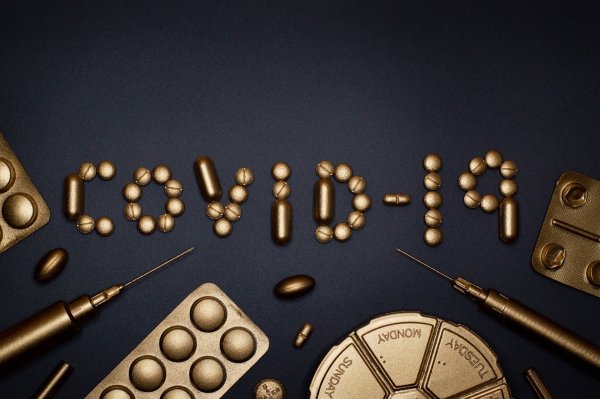
Research Roundup: Oral medication for COVID-19, air pollution increases infant mortality, AI predicts depression
Derek Chen
•
July 7, 2020
Research
Research Roundup: Antidepressants, carbon sinks, preventing preterm delivery
Derek Chen
•
Feb. 17, 2020
Opinions
Mental health: Do we practice what we preach?
Noah Louis-Ferdinand
•
Nov. 21, 2019
Magazine
A deadly academic machine
Francis Aguisanda
•
May 17, 2019
The Grind
Is this senioritis or just my depression?
Claire Francis
•
March 21, 2019
Previous
Page
1
Page
2
Page
3
Next
Search
Search
News
Academics
Campus Life
Data
Equity Project
Graduate Students
Science & Technology
University
Sports
Fall Sports
Cross Country
Field Hockey
Football
Men’s Soccer
Men’s Water Polo
Women’s Soccer
Women’s Volleyball
Winter Sports
Fencing
Men’s Basketball
Men’s Gymnastics
Men’s Swimming & Diving
Squash
Women’s Basketball
Women’s Gymnastics
Women’s Swimming & Diving
Artistic Swimming
Wrestling
Spring Sports
Baseball
Beach Volleyball
Lacrosse
Men’s Golf
Men’s Rowing
Men’s Tennis
Men’s Volleyball
Sailing
Softball
Track & Field
Women’s Golf
Women’s Lightweight Rowing
Women’s Rowing
Women’s Tennis
Women’s Water Polo
Columnists
Features
Opinions
Columnists
Editorial Board
Letters to the Editor
Letters to the Community
Arts & Life
Culture
Music
Reads
Screen
Grind
Senior Column
Humor
Cartoons
Data
Video
Games
Daily Diminutive
Small puzzles released multiple times a week
Full-Sized Crossword
Classic NYT-style puzzles released intermittently
Stanfordle
Special Editions
Magazine
Third-Party Advertising
Search
News
Academics
Campus Life
Data
Equity Project
Graduate Students
Science & Technology
University
Sports
Fall Sports
Cross Country
Field Hockey
Football
Men’s Soccer
Men’s Water Polo
Women’s Soccer
Women’s Volleyball
Winter Sports
Fencing
Men’s Basketball
Men’s Gymnastics
Men’s Swimming & Diving
Squash
Women’s Basketball
Women’s Gymnastics
Women’s Swimming & Diving
Artistic Swimming
Wrestling
Spring Sports
Baseball
Beach Volleyball
Lacrosse
Men’s Golf
Men’s Rowing
Men’s Tennis
Men’s Volleyball
Sailing
Softball
Track & Field
Women’s Golf
Women’s Lightweight Rowing
Women’s Rowing
Women’s Tennis
Women’s Water Polo
Columnists
Features
Opinions
Columnists
Editorial Board
Letters to the Editor
Letters to the Community
Arts & Life
Culture
Music
Reads
Screen
Grind
Senior Column
Humor
Cartoons
Data
Video
Games
Daily Diminutive
Small puzzles released multiple times a week
Full-Sized Crossword
Classic NYT-style puzzles released intermittently
Stanfordle
Special Editions
Magazine
Third-Party Advertising
The Stanford Daily
Login or create an account
Username or Email Address
*
Password
Remember Me
Register
|
Lost your password?
Username or Email Address
Password
Remember Me
Log In
Lost your password?
|
Register