Search
Search
Remove Ads
Subscribe to Digest
Log in
Speakers & Events
News
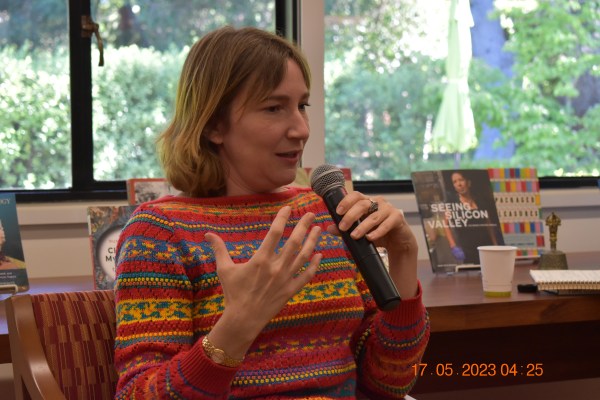
Janine Zacharia on covering Israel and Palestine amid the ‘fog of war’
Andrew Zeng
•
Dec. 7, 2023
News
KIND CEO and human rights activist Daniel Lubetzky works for a two-state solution
Michelle Qiao
•
Dec. 6, 2023
Speakers & Events
Maryland, New Hampshire governors urge bipartisanship and empathy
Amina Wase
•
Dec. 1, 2023
Speakers & Events
‘Democracy is really hard work, folks’: John Kerry makes surprise appearance at panel
Jack Moreland
•
Nov. 27, 2023
Speakers & Events
Protestors interrupt APEC seminar on energy policy
Jose Serrano
•
Nov. 6, 2023
Speakers & Events
‘Alter the DNA’: Progressive district attorneys explore possibilities for criminal justice reform
Christian Figueroa
•
Oct. 25, 2023
News
Harvard professor advocates for a “neo-traditional” approach to Indigenous mental health
Andrew Zeng
•
Oct. 23, 2023
News
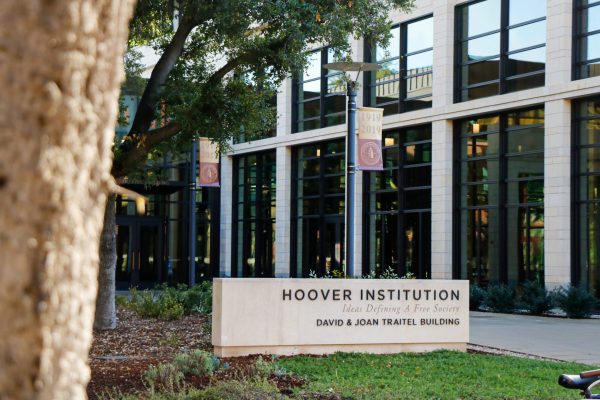
‘Unprecedented response to unprecedented threat’: Security leaders launch summit at Hoover
Zaydan Kabir Amanullah
•
Oct. 20, 2023
World & Nation
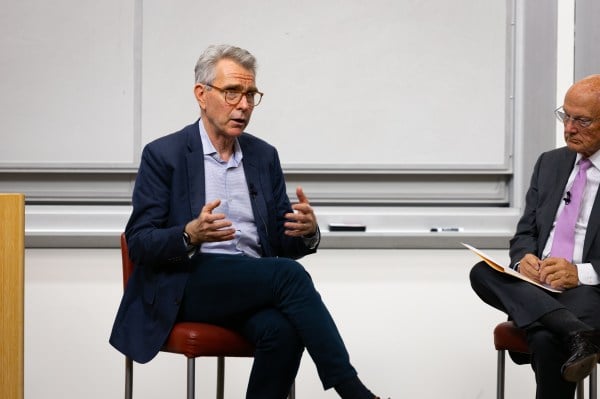
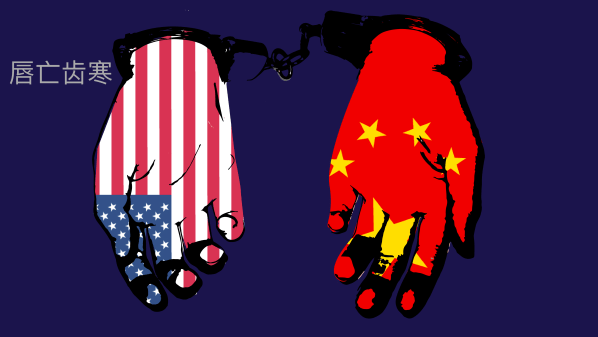
Assistant Secretary Geoffrey Pyatt says China is sole U.S. adversary
Matthew Turk
•
Oct. 18, 2023
Speakers & Events
Rights and research: Hoover event explores treatment of Chinese American academics
Hana Dao
•
June 8, 2023
Speakers & Events
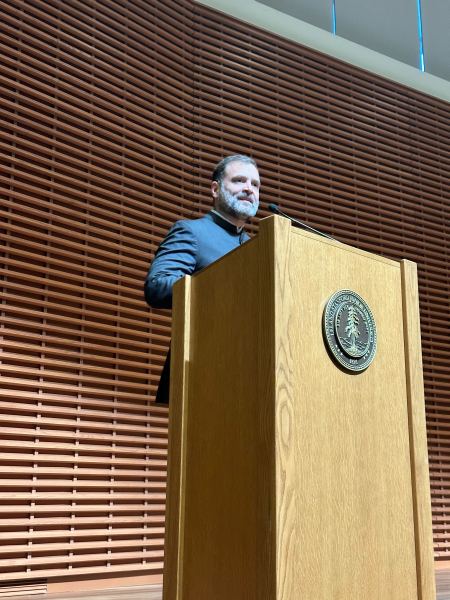
Rahul Gandhi emphasizes role of technology, imagining in India’s future
Amina Wase
•
June 2, 2023
Speakers & Events
AI and human character: Sheila Heti delves into conversations with chatbots
Sophia Artandi
•
May 21, 2023
Speakers & Events
‘Impulse’ Biotech conference highlights use of technology in personalized Healthcare
Shreya Komar
•
May 14, 2023
News
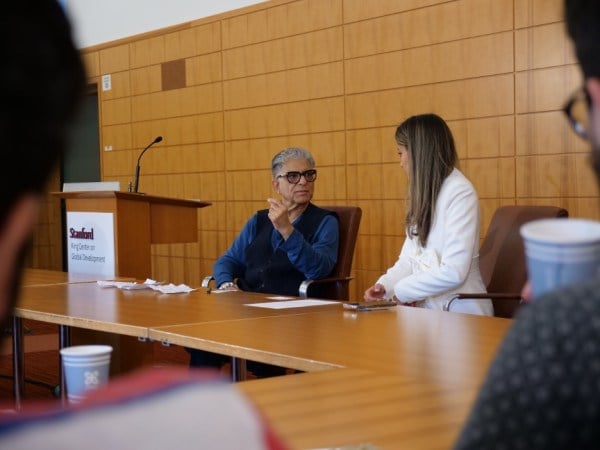
Enlightening acronyms and the happiness equation: Deepak Chopra on the climate crisis
Shreya Komar
•
April 30, 2023
Speakers & Events
APARC experts discuss human rights violations in North Korea, call for support for exiled citizens
Hana Dao
•
April 27, 2023
University
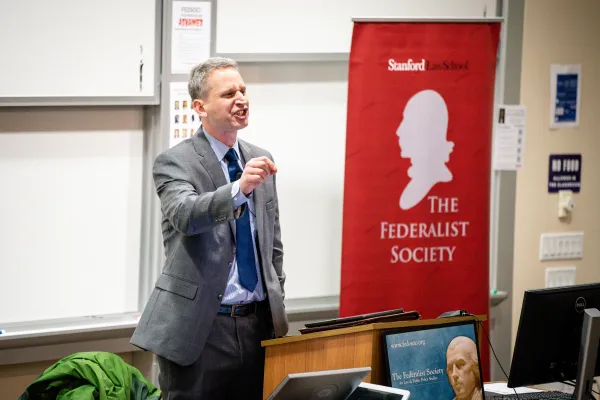
Judge Kyle Duncan’s visit to Stanford and the aftermath, explained
Greta Reich
•
April 5, 2023
Speakers & Events
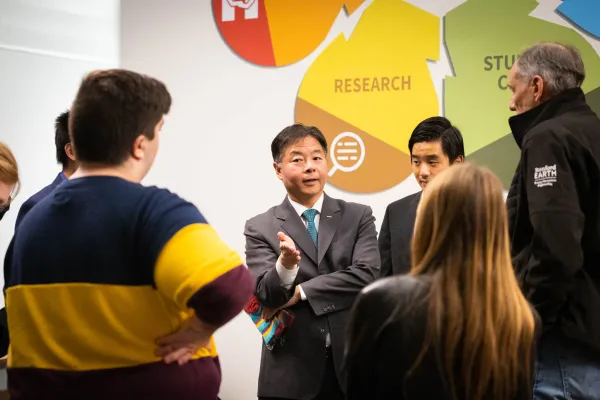
‘Democracy is the most pressing issue’ says Congressman Ted Lieu ’91
Lauren Koong
and
Steven D. Liu
•
March 16, 2023
Speakers & Events
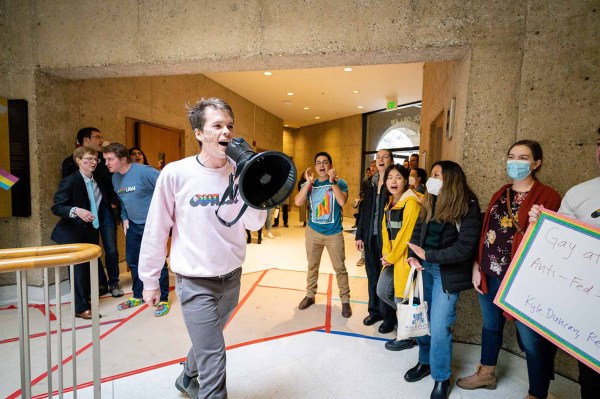
Law School activists protest Judge Kyle Duncan’s visit to campus
Greta Reich
•
March 11, 2023
Speakers & Events
President Niinistö of Finland visits Stanford, calls for trans-atlantic security cooperation
Andrew Gerges
•
March 9, 2023
News
Early 20th century pogroms in Ukraine impacted the Holocaust, history scholar says
Judy N. Liu
•
March 7, 2023
Previous
Page
1
Page
2
Page
3
Page
4
Page
5
…
Page
20
Next
Search
Search
News
Academics
Campus Life
Data
Equity Project
Graduate Students
Science & Technology
University
Sports
Fall Sports
Cross Country
Field Hockey
Football
Men’s Soccer
Men’s Water Polo
Women’s Soccer
Women’s Volleyball
Winter Sports
Fencing
Men’s Basketball
Men’s Gymnastics
Men’s Swimming & Diving
Squash
Women’s Basketball
Women’s Gymnastics
Women’s Swimming & Diving
Artistic Swimming
Wrestling
Spring Sports
Baseball
Beach Volleyball
Lacrosse
Men’s Golf
Men’s Rowing
Men’s Tennis
Men’s Volleyball
Sailing
Softball
Track & Field
Women’s Golf
Women’s Lightweight Rowing
Women’s Rowing
Women’s Tennis
Women’s Water Polo
Columnists
Features
Opinions
Columnists
Editorial Board
Letters to the Editor
Letters to the Community
Arts & Life
Culture
Music
Reads
Screen
Grind
Senior Column
Humor
Cartoons
Data
Video
Games
Daily Diminutive
Small puzzles released multiple times a week
Full-Sized Crossword
Classic NYT-style puzzles released intermittently
Stanfordle
Special Editions
Magazine
Third-Party Advertising
Search
News
Academics
Campus Life
Data
Equity Project
Graduate Students
Science & Technology
University
Sports
Fall Sports
Cross Country
Field Hockey
Football
Men’s Soccer
Men’s Water Polo
Women’s Soccer
Women’s Volleyball
Winter Sports
Fencing
Men’s Basketball
Men’s Gymnastics
Men’s Swimming & Diving
Squash
Women’s Basketball
Women’s Gymnastics
Women’s Swimming & Diving
Artistic Swimming
Wrestling
Spring Sports
Baseball
Beach Volleyball
Lacrosse
Men’s Golf
Men’s Rowing
Men’s Tennis
Men’s Volleyball
Sailing
Softball
Track & Field
Women’s Golf
Women’s Lightweight Rowing
Women’s Rowing
Women’s Tennis
Women’s Water Polo
Columnists
Features
Opinions
Columnists
Editorial Board
Letters to the Editor
Letters to the Community
Arts & Life
Culture
Music
Reads
Screen
Grind
Senior Column
Humor
Cartoons
Data
Video
Games
Daily Diminutive
Small puzzles released multiple times a week
Full-Sized Crossword
Classic NYT-style puzzles released intermittently
Stanfordle
Special Editions
Magazine
Third-Party Advertising
The Stanford Daily
Login or create an account
Username or Email Address
*
Password
Remember Me
Register
|
Lost your password?
Username or Email Address
Password
Remember Me
Log In
Lost your password?
|
Register