Search
Search
Remove Ads
Subscribe to Digest
Log in
theatre
Campus Life
Behind the scenes of Gaieties, the Stanford-Berkeley rivalry as a musical
Naina Mehrotra
•
Nov. 19
Culture
Stanford Light Opera Company prepares for historic Memorial Church production
Leyla Yilmaz
•
April 30, 2025
Culture
Q&A: Michi Barall ’93 draws on her Stanford experience as her play ‘Drawing Lessons’ premieres
Charlotte Burks
•
Oct. 16, 2024
Culture
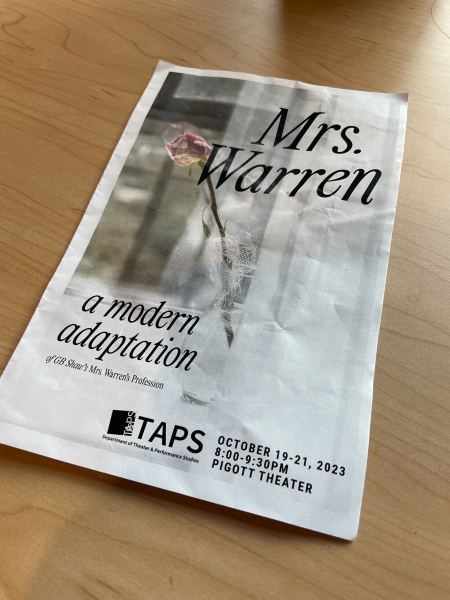
19th century classic, reimagined: Morality meets generational divide in ‘Mrs. Warren’
Charlotte Kearns
•
Oct. 23, 2023
Culture
Katie Dragone ’22 outLINES grief and humor in Theater Lab’s newest production
Greta Reich
•
Feb. 21, 2023
Culture
“Little Shop of Horrors”: Ram’s Head musicals return to the stage
Cameron Duran
•
April 24, 2022
Arts & Life
AATP New Works Festival explores and challenges stereotypes of gender and race
Yastika Guru
•
Feb. 21, 2022
Arts & Life
Roble Gym’s black-box theater named Harry J. Elam, Jr. Theater shortly after his departure for Occidental
Emily Stull
•
Aug. 29, 2020
The Grind
On history, humor and ‘Hamilton’
Sarayu Pai
•
Feb. 5, 2020
Culture
‘The Manic Monologues’ tells stories of pain and resilience
Kaylee Beam
•
May 25, 2019
The Grind
What it’s like to rush Gaieties: a love letter to the theater community
Chris Huntley
•
Nov. 3, 2017
The Question of Identity in AATP
Madeline MacLeod
•
Nov. 12, 2015
Now introducing: The new director of TAPS
Madeline MacLeod
•
Nov. 11, 2015
Kelley’s world: Stanford alum’s vision for theatre
Bella Wilcox
•
Oct. 17, 2015
Asian-American Theater Project presents identity-focused ‘Stanford Monologues’
Leela Srinivasan
•
Feb. 5, 2015
Arts & Life
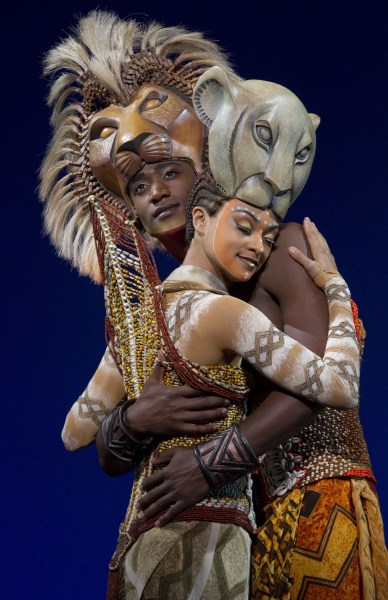
Theatre: ‘The Lion King’
Tara McCullough
•
Nov. 30, 2012
Arts & Life
Crothers talks ‘Chinglish’ with Eikenberry
Katharine Schwab
•
Oct. 23, 2012
Arts & Life
Reviews: ‘The Color Purple’
Andrea Hinton
•
May 25, 2012
Arts & Life
Reviews: ‘Endgame’ and ‘Play’
Alexandra Heeney
•
May 25, 2012
Arts & Life
Preview: ‘City of Angels’
Brady Hamed
•
April 13, 2012
Previous
Page
1
Page
2
Next
Search
Search
News
Academics
Campus Life
Data
Equity Project
Graduate Students
Science & Technology
University
Sports
Fall Sports
Cross Country
Field Hockey
Football
Men’s Soccer
Men’s Water Polo
Women’s Soccer
Women’s Volleyball
Winter Sports
Fencing
Men’s Basketball
Men’s Gymnastics
Men’s Swimming & Diving
Squash
Women’s Basketball
Women’s Gymnastics
Women’s Swimming & Diving
Artistic Swimming
Wrestling
Spring Sports
Baseball
Beach Volleyball
Lacrosse
Men’s Golf
Men’s Rowing
Men’s Tennis
Men’s Volleyball
Sailing
Softball
Track & Field
Women’s Golf
Women’s Lightweight Rowing
Women’s Rowing
Women’s Tennis
Women’s Water Polo
Columnists
Features
Opinions
Columnists
Editorial Board
Letters to the Editor
Letters to the Community
Arts & Life
Culture
Music
Reads
Screen
Grind
Senior Column
Humor
Cartoons
Data
Video
Games
Daily Diminutive
Small puzzles released multiple times a week
Full-Sized Crossword
Classic NYT-style puzzles released intermittently
Stanfordle
Special Editions
Magazine
Third-Party Advertising
Search
News
Academics
Campus Life
Data
Equity Project
Graduate Students
Science & Technology
University
Sports
Fall Sports
Cross Country
Field Hockey
Football
Men’s Soccer
Men’s Water Polo
Women’s Soccer
Women’s Volleyball
Winter Sports
Fencing
Men’s Basketball
Men’s Gymnastics
Men’s Swimming & Diving
Squash
Women’s Basketball
Women’s Gymnastics
Women’s Swimming & Diving
Artistic Swimming
Wrestling
Spring Sports
Baseball
Beach Volleyball
Lacrosse
Men’s Golf
Men’s Rowing
Men’s Tennis
Men’s Volleyball
Sailing
Softball
Track & Field
Women’s Golf
Women’s Lightweight Rowing
Women’s Rowing
Women’s Tennis
Women’s Water Polo
Columnists
Features
Opinions
Columnists
Editorial Board
Letters to the Editor
Letters to the Community
Arts & Life
Culture
Music
Reads
Screen
Grind
Senior Column
Humor
Cartoons
Data
Video
Games
Daily Diminutive
Small puzzles released multiple times a week
Full-Sized Crossword
Classic NYT-style puzzles released intermittently
Stanfordle
Special Editions
Magazine
Third-Party Advertising
The Stanford Daily
Login or create an account
Username or Email Address
*
Password
Remember Me
Register
|
Lost your password?
Username or Email Address
Password
Remember Me
Log In
Lost your password?
|
Register