Search
Search
Remove Ads
Subscribe to Digest
Log in
SLAC National Accelerator Laboratory
University
Kam Moler named vice president of SLAC National Accelerator Laboratory
Sofia Williams
•
Oct. 8, 2024
Science & Technology
Stanford researchers discover barrier to future batteries
Lauren Koong
•
Feb. 19, 2023
University
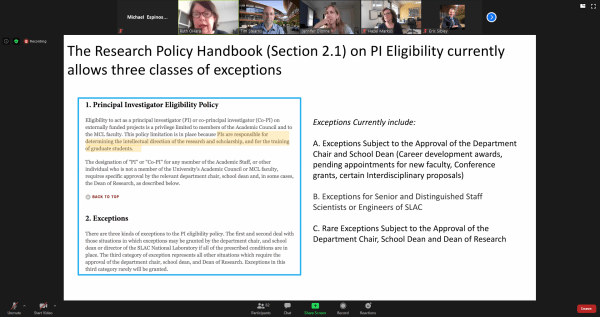
Faculty Senate expands PI eligibility for staff at SLAC and medical school, in trial
Michael Espinosa
•
June 11, 2020
Stanford team’s new particle accelerator fits on a silicon chip
Andrew Tan
•
Jan. 9, 2020
Magazine
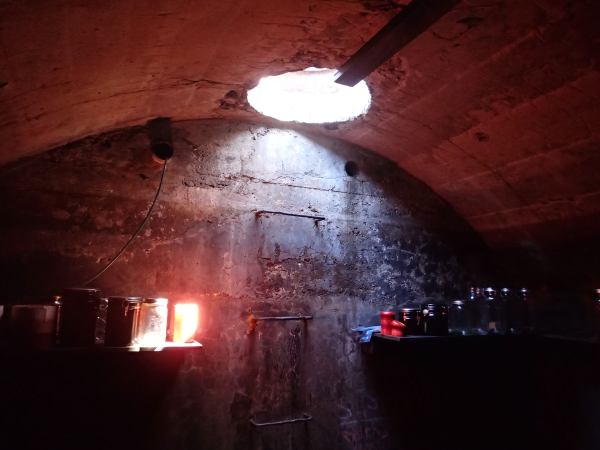
Inside Stanford’s Last Fallout Shelter: a time capsule to Cold War politics and protests
Patrick Monreal
•
Sept. 25, 2019
News
After devastation of 2018 wildfires, Stanford works to improve safety measures
Elaine Toh
•
July 24, 2019
News
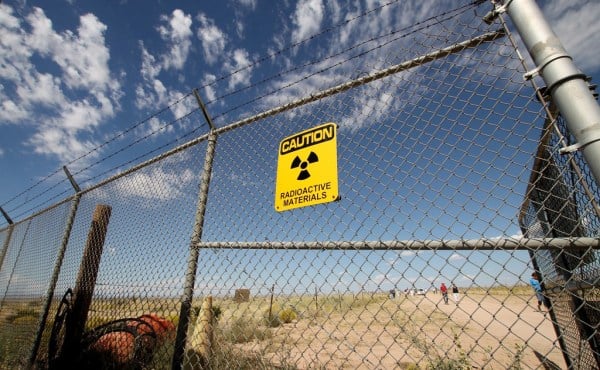
Radioactive materials removed from former SLAC employee’s home
Andrew Tan
•
May 7, 2019
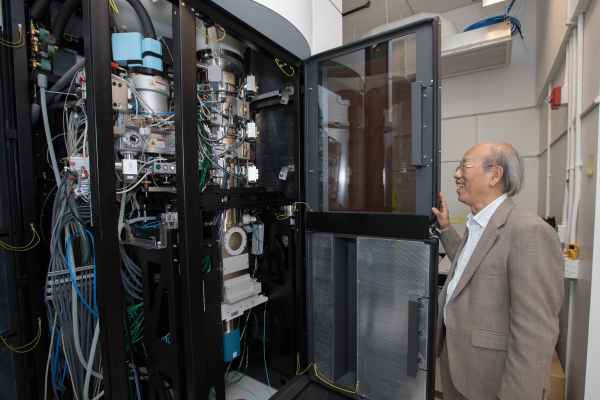
SLAC and Stanford launch Cryo-EM facility
Manat Kaur
•
July 25, 2018
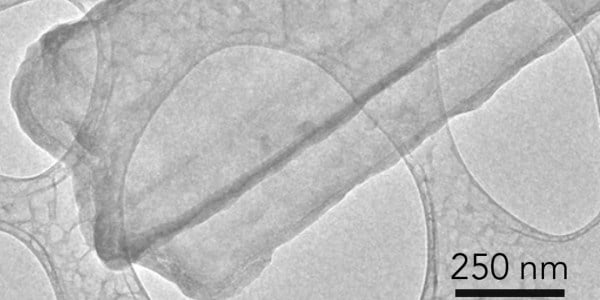
Researchers make breakthrough in battery science
Sterling Alic
•
Nov. 3, 2017
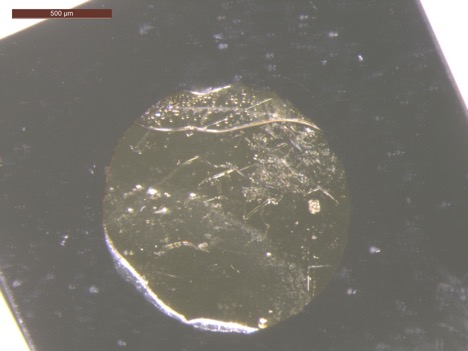
Researchers explore extraterrestrial ice
Kaylee George
•
July 27, 2017
Stanford scientists improve catalytic performance through nanotechnology
Sarah Wishingrad
•
May 19, 2017
Carbon research reveals implications for climate change
Lark Wang
•
May 8, 2017
Stanford to build nation’s first hadron therapy center
Christina Pan
•
Nov. 13, 2016
Board of Trustees hears from faculty, meets with incoming president
Hannah Knowles
•
April 13, 2016
SLAC scientists uncover protein structure that could help with drug development
Lea Sparkman
•
Aug. 18, 2015
Two-alarm fire breaks out at SLAC
Kylie Jue
•
June 26, 2014
Persis Drell selected as new dean for the School of Engineering, will be School’s first female dean
Victor Xu
•
June 4, 2014
Researchers discover catalyst for more efficient methanol production
Kylie Jue
•
March 4, 2014
Stanford gets go-ahead for new educational farm
Baker Tilney
•
Nov. 27, 2013
The Daily Brief: Wednesday, March 27
Ileana Najarro
•
March 27, 2013
Previous
Page
1
Page
2
Next
Search
Search
News
Academics
Campus Life
Data
Equity Project
Graduate Students
Science & Technology
University
Sports
Fall Sports
Cross Country
Field Hockey
Football
Men’s Soccer
Men’s Water Polo
Women’s Soccer
Women’s Volleyball
Winter Sports
Fencing
Men’s Basketball
Men’s Gymnastics
Men’s Swimming & Diving
Squash
Women’s Basketball
Women’s Gymnastics
Women’s Swimming & Diving
Artistic Swimming
Wrestling
Spring Sports
Baseball
Beach Volleyball
Lacrosse
Men’s Golf
Men’s Rowing
Men’s Tennis
Men’s Volleyball
Sailing
Softball
Track & Field
Women’s Golf
Women’s Lightweight Rowing
Women’s Rowing
Women’s Tennis
Women’s Water Polo
Columnists
Features
Opinions
Columnists
Editorial Board
Letters to the Editor
Letters to the Community
Arts & Life
Culture
Music
Reads
Screen
Grind
Senior Column
Humor
Cartoons
Data
Video
Games
Daily Diminutive
Small puzzles released multiple times a week
Full-Sized Crossword
Classic NYT-style puzzles released intermittently
Stanfordle
Special Editions
Magazine
Third-Party Advertising
Search
News
Academics
Campus Life
Data
Equity Project
Graduate Students
Science & Technology
University
Sports
Fall Sports
Cross Country
Field Hockey
Football
Men’s Soccer
Men’s Water Polo
Women’s Soccer
Women’s Volleyball
Winter Sports
Fencing
Men’s Basketball
Men’s Gymnastics
Men’s Swimming & Diving
Squash
Women’s Basketball
Women’s Gymnastics
Women’s Swimming & Diving
Artistic Swimming
Wrestling
Spring Sports
Baseball
Beach Volleyball
Lacrosse
Men’s Golf
Men’s Rowing
Men’s Tennis
Men’s Volleyball
Sailing
Softball
Track & Field
Women’s Golf
Women’s Lightweight Rowing
Women’s Rowing
Women’s Tennis
Women’s Water Polo
Columnists
Features
Opinions
Columnists
Editorial Board
Letters to the Editor
Letters to the Community
Arts & Life
Culture
Music
Reads
Screen
Grind
Senior Column
Humor
Cartoons
Data
Video
Games
Daily Diminutive
Small puzzles released multiple times a week
Full-Sized Crossword
Classic NYT-style puzzles released intermittently
Stanfordle
Special Editions
Magazine
Third-Party Advertising
The Stanford Daily
Login or create an account
Username or Email Address
*
Password
Remember Me
Register
|
Lost your password?
Username or Email Address
Password
Remember Me
Log In
Lost your password?
|
Register