Search
Search
Remove Ads
Subscribe to Digest
Log in
research
From the Community
From the Community | America’s research engine is not a political machine
From the Community
•
June 4
Science & Technology
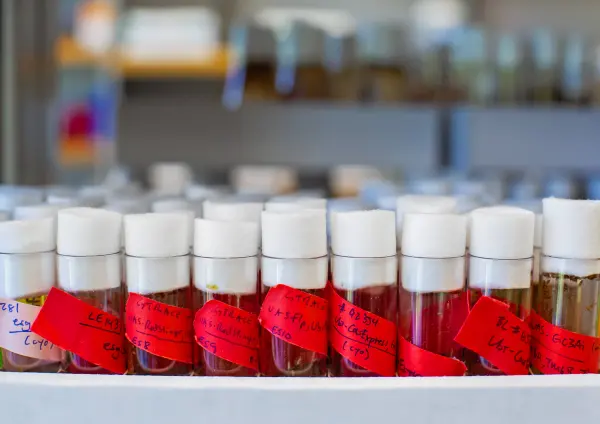
Research Roundup: Combating muscle loss from GLP-1s, monitoring high-risk pregnancies and reversing aging in sea squirts
Beatrice Barnes
•
June 3
Science & Technology
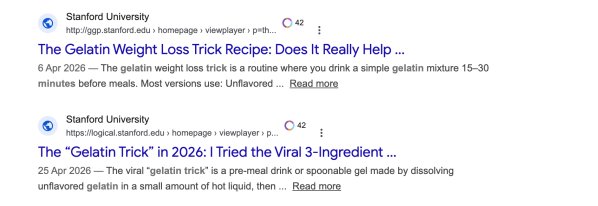
Stanford subdomains targeted by black-hat SEO attacks
Kayla Chan
•
May 29
Beach Volleyball
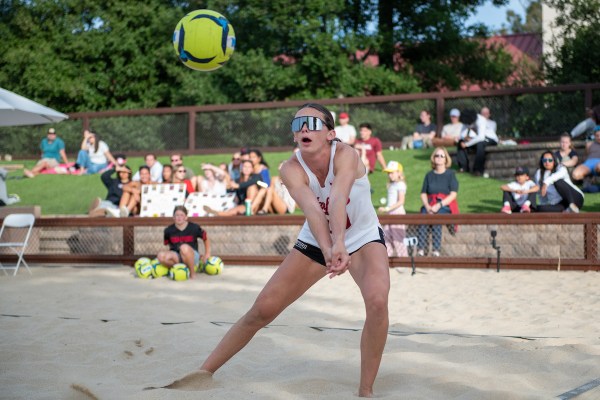
Senior beach volleyball captain finds a team in the people beside her
Odelia Kneiser
•
May 28
University
Levin highlights University contribution to technology, research at annual Academic Council meeting
Kaleb Gjestson
•
May 22
Science & Technology
Research Roundup: Childhood cancer treatment, climate-friendly fertilizer and harvesting water from the air
Beatrice Barnes
•
May 20
Opinions
From the Community | How federal loan caps will limit your access to healthcare
From the Community
•
May 19
Science & Technology
Research Roundup: AI companions, tumor blood tests and decarbonization
Beatrice Barnes
•
May 6
University
‘Like space aliens landing’: Symposium weighs effect of AI on the future of mathematics
Angikar Ghosal
•
May 6
University
Stanford sociologist wins Guggenheim Fellowship to study political coalition building
Angikar Ghosal
•
May 5
Science & Technology
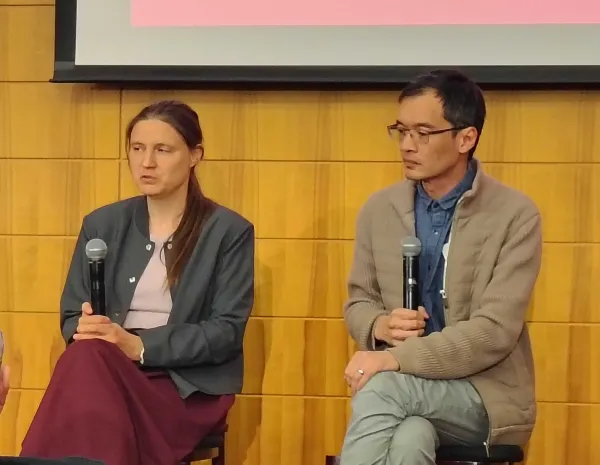
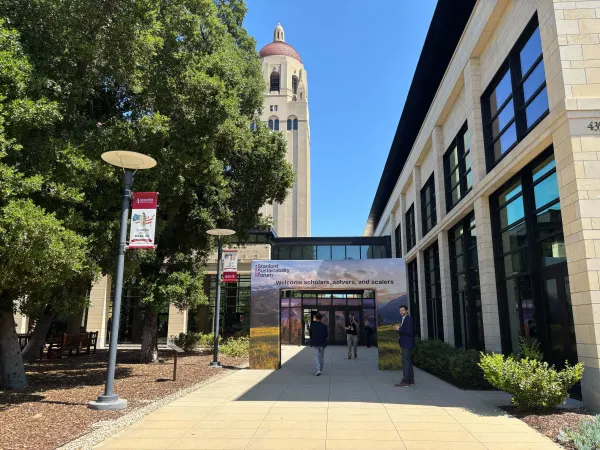
Stanford Doerr School hosts inaugural Sustainability Forum
Beatrice Barnes
•
April 30
University
Guggenheim fellow Sheng Xu on building safe, continuous fetal monitors
Angikar Ghosal
•
April 29
University
‘How to live when one’s way of life has been destroyed’: Guggenheim fellow Angela Garcia on loss, resilience and ethnography
Angikar Ghosal
•
April 29
University
Guggenheim fellow Ran Abramitzky sees the American Dream as an ‘intergenerational story’
Angikar Ghosal
•
April 26
Science & Technology
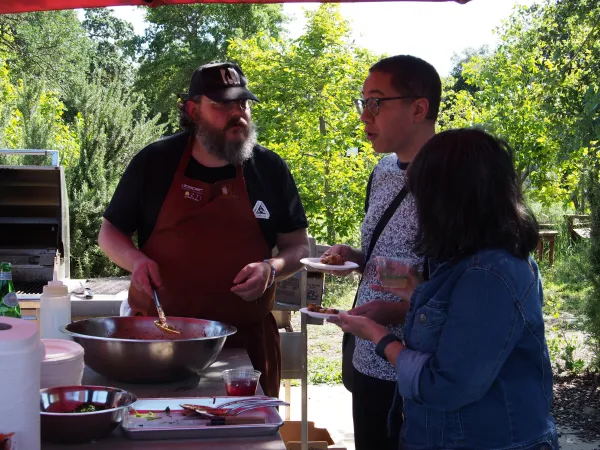
Fermentation Festival brings fungi and fermented foods to the Farm
Charlotte Burks
•
April 20
Science & Technology
Stanford’s Biomni-AD team wins $1 million prize for Alzheimer’s research tool
Beatrice Barnes
•
April 15
From the Community
AAUP: Academic Freedom on the Line | Diversity is much more than woke politics
From the Community
•
April 13
University
Stanford Law and GSB claim top spots in U.S. News rankings
Angikar Ghosal
•
April 9
Campus Life
Incoming Graduate Workers’ Union leadership aims to address healthcare, Ph.D. funding
Sofia Williams
•
April 9
Science & Technology
Research Roundup: Stanford researchers advance treatments for blindness, memory loss and respiratory disease
Beatrice Barnes
•
April 3
Previous
Page
1
Page
2
Page
3
…
Page
20
Next
Search
Search
News
Academics
Campus Life
Data
Equity Project
Graduate Students
Science & Technology
University
Sports
Fall Sports
Cross Country
Field Hockey
Football
Men’s Soccer
Men’s Water Polo
Women’s Soccer
Women’s Volleyball
Winter Sports
Fencing
Men’s Basketball
Men’s Gymnastics
Men’s Swimming & Diving
Squash
Women’s Basketball
Women’s Gymnastics
Women’s Swimming & Diving
Artistic Swimming
Wrestling
Spring Sports
Baseball
Beach Volleyball
Lacrosse
Men’s Golf
Men’s Rowing
Men’s Tennis
Men’s Volleyball
Sailing
Softball
Track & Field
Women’s Golf
Women’s Lightweight Rowing
Women’s Rowing
Women’s Tennis
Women’s Water Polo
Columnists
Features
Opinions
Columnists
Editorial Board
Letters to the Editor
Letters to the Community
Arts & Life
Culture
Music
Reads
Screen
Grind
Senior Column
Humor
Cartoons
Data
Video
Games
Daily Diminutive
Small puzzles released multiple times a week
Full-Sized Crossword
Classic NYT-style puzzles released intermittently
Stanfordle
Special Editions
Magazine
Third-Party Advertising
Search
News
Academics
Campus Life
Data
Equity Project
Graduate Students
Science & Technology
University
Sports
Fall Sports
Cross Country
Field Hockey
Football
Men’s Soccer
Men’s Water Polo
Women’s Soccer
Women’s Volleyball
Winter Sports
Fencing
Men’s Basketball
Men’s Gymnastics
Men’s Swimming & Diving
Squash
Women’s Basketball
Women’s Gymnastics
Women’s Swimming & Diving
Artistic Swimming
Wrestling
Spring Sports
Baseball
Beach Volleyball
Lacrosse
Men’s Golf
Men’s Rowing
Men’s Tennis
Men’s Volleyball
Sailing
Softball
Track & Field
Women’s Golf
Women’s Lightweight Rowing
Women’s Rowing
Women’s Tennis
Women’s Water Polo
Columnists
Features
Opinions
Columnists
Editorial Board
Letters to the Editor
Letters to the Community
Arts & Life
Culture
Music
Reads
Screen
Grind
Senior Column
Humor
Cartoons
Data
Video
Games
Daily Diminutive
Small puzzles released multiple times a week
Full-Sized Crossword
Classic NYT-style puzzles released intermittently
Stanfordle
Special Editions
Magazine
Third-Party Advertising
The Stanford Daily
Login or create an account
Username or Email Address
*
Password
Remember Me
Register
|
Lost your password?
Username or Email Address
Password
Remember Me
Log In
Lost your password?
|
Register