Search
Search
Remove Ads
Subscribe to Digest
Log in
menlo park
Culture
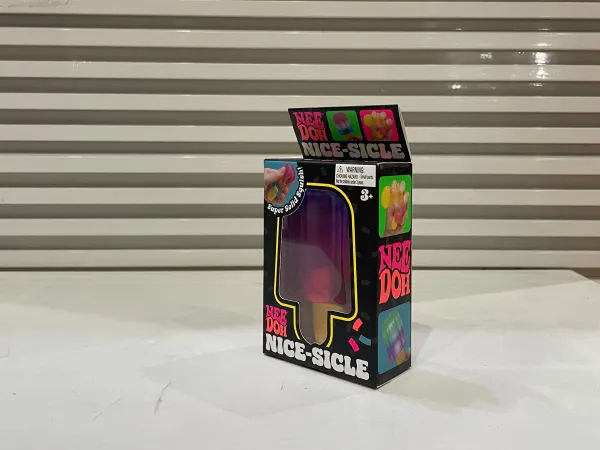
NeeDohs: The new fidget toy on the block
Bella Kim
•
May 27
Reads
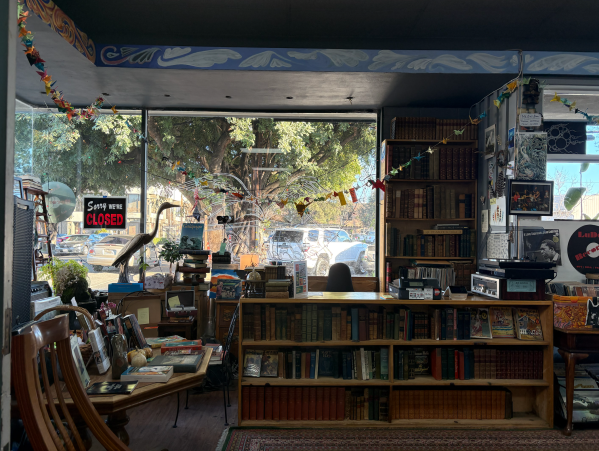
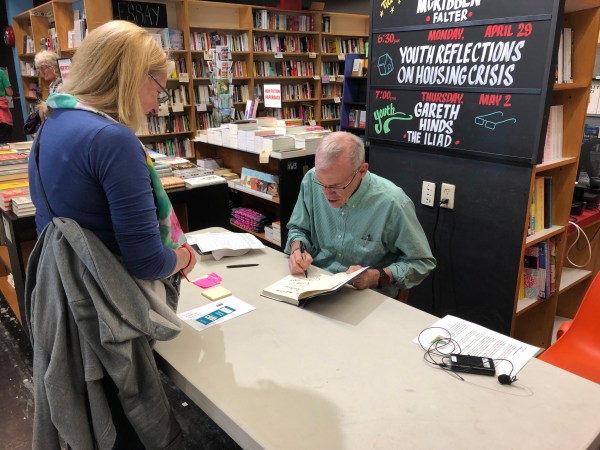
‘A pillar of the community’: Feldman’s Books, Menlo Park’s creative hub
Sanaya Robinson-Shah
•
Feb. 5, 2025
Crime & Safety
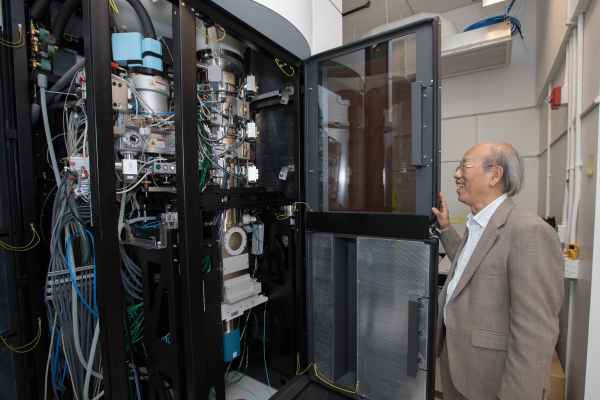
Police continue investigating attempted break-in at SLAC
Sophia Chu
and
Judy N. Liu
•
Jan. 9, 2025
Local
Cardinal for Congress: Stanford MBA Peter Ohtaki on Republican candidacy
George Porteous
•
Jan. 17, 2024
Reads
Menlo Park Storytelling Festival artists fight discrimination
Ronny Hu
•
Nov. 26, 2023
Arts & Life
Readers are back in bookstores, here’s how owners kept them alive during the pandemic
Lily Nilipour
•
Sept. 15, 2021
Featured
Stanford and Silicon Valley: Storied past, uncertain future
Tammer Bagdasarian
•
March 29, 2021
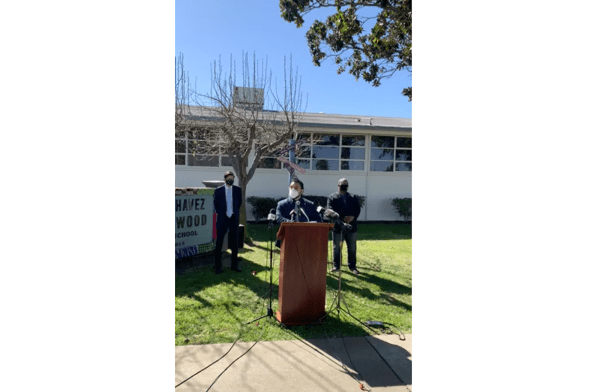
Local leaders call for better vaccine distribution in East Palo Alto
Owen Veit
•
March 1, 2021
News
Palo Alto imposes 10-day curfew, but campus is unaffected
Daniel Wu
•
June 2, 2020
News
Campus workers demand more affordable housing, benefits
Clara Kieschnick
•
May 3, 2019
News
Climate activist Bill McKibben talks ‘disrupting business as usual’ to fight climate change
Kaylee Beam
•
April 30, 2019
Featured
First Bay Area parent to plead guilty in college admissions scam, others maintain innocence
Holden Foreman
•
April 8, 2019
Santa Clara County votes to mitigate housing impact of Stanford’s expansion plans
Yasmin Samrai
•
Sept. 26, 2018
News
Op-ed: Pursuing housing solutions for Stanford and the surrounding region
From the Community
•
May 31, 2018
Secretary of Energy Rick Perry praises SLAC researchers, talks energy obstacles
Yasmin Samrai
•
March 28, 2018
City officials request more time to review Stanford’s growth plan
Claire Wang
•
Nov. 30, 2017
Bridging tech and entertainment at Winston Baker’s Confluence Summit
Olivia Popp
•
Nov. 27, 2017
Stanford raises environmental standard for Middle Plaza project following concerns
Claire Wang
•
Oct. 9, 2017
Menlo Park development plan meets community concerns
Surbhi Sachdeva
•
April 21, 2017
The Grind
Remembering “Stanford’s Bohemian Quarter”
Michaela Elias
•
Oct. 14, 2016
Previous
Page
1
Page
2
Next
Search
Search
News
Academics
Campus Life
Data
Equity Project
Graduate Students
Science & Technology
University
Sports
Fall Sports
Cross Country
Field Hockey
Football
Men’s Soccer
Men’s Water Polo
Women’s Soccer
Women’s Volleyball
Winter Sports
Fencing
Men’s Basketball
Men’s Gymnastics
Men’s Swimming & Diving
Squash
Women’s Basketball
Women’s Gymnastics
Women’s Swimming & Diving
Artistic Swimming
Wrestling
Spring Sports
Baseball
Beach Volleyball
Lacrosse
Men’s Golf
Men’s Rowing
Men’s Tennis
Men’s Volleyball
Sailing
Softball
Track & Field
Women’s Golf
Women’s Lightweight Rowing
Women’s Rowing
Women’s Tennis
Women’s Water Polo
Columnists
Features
Opinions
Columnists
Editorial Board
Letters to the Editor
Letters to the Community
Arts & Life
Culture
Music
Reads
Screen
Grind
Senior Column
Humor
Cartoons
Data
Video
Games
Daily Diminutive
Small puzzles released multiple times a week
Full-Sized Crossword
Classic NYT-style puzzles released intermittently
Stanfordle
Special Editions
Magazine
Third-Party Advertising
Search
News
Academics
Campus Life
Data
Equity Project
Graduate Students
Science & Technology
University
Sports
Fall Sports
Cross Country
Field Hockey
Football
Men’s Soccer
Men’s Water Polo
Women’s Soccer
Women’s Volleyball
Winter Sports
Fencing
Men’s Basketball
Men’s Gymnastics
Men’s Swimming & Diving
Squash
Women’s Basketball
Women’s Gymnastics
Women’s Swimming & Diving
Artistic Swimming
Wrestling
Spring Sports
Baseball
Beach Volleyball
Lacrosse
Men’s Golf
Men’s Rowing
Men’s Tennis
Men’s Volleyball
Sailing
Softball
Track & Field
Women’s Golf
Women’s Lightweight Rowing
Women’s Rowing
Women’s Tennis
Women’s Water Polo
Columnists
Features
Opinions
Columnists
Editorial Board
Letters to the Editor
Letters to the Community
Arts & Life
Culture
Music
Reads
Screen
Grind
Senior Column
Humor
Cartoons
Data
Video
Games
Daily Diminutive
Small puzzles released multiple times a week
Full-Sized Crossword
Classic NYT-style puzzles released intermittently
Stanfordle
Special Editions
Magazine
Third-Party Advertising
The Stanford Daily
Login or create an account
Username or Email Address
*
Password
Remember Me
Register
|
Lost your password?
Username or Email Address
Password
Remember Me
Log In
Lost your password?
|
Register