Search
Search
Remove Ads
Subscribe to Digest
Log in
Khan Academy
Science & Technology
Will online courses ever replace college? YouTube CEO, Stanford president weigh the values of education
Evy Shen
•
Nov. 20, 2024
Science & Technology
Snapchat and Khan Academy founders weigh in on technology’s impact on democracy
Jack Quach
and
Evy Shen
•
Oct. 17, 2024
Humor
Senior passes off Khan Academy video as thesis presentation
Richard Coca
•
May 26, 2020
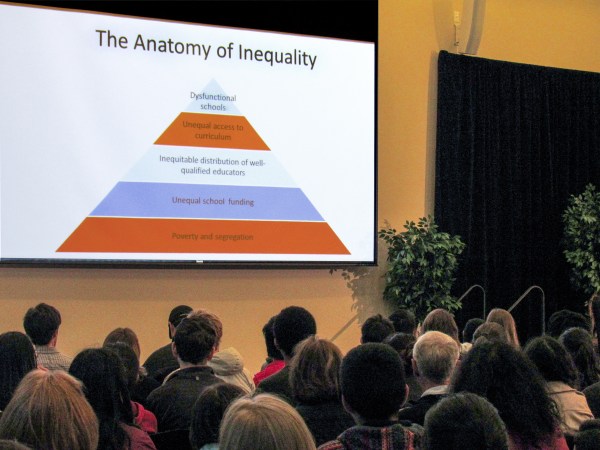
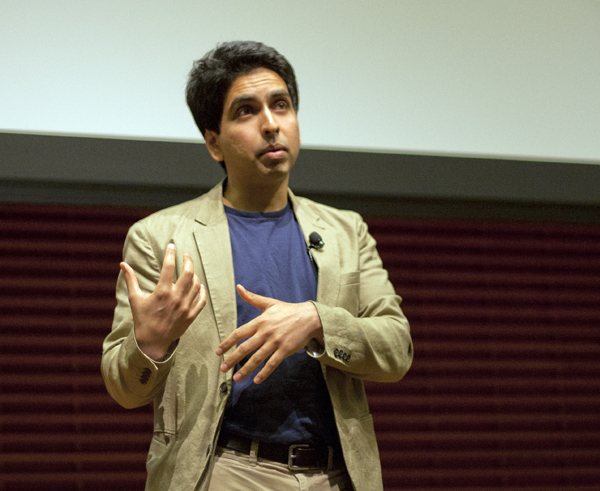
Hennessy, Khan Academy founder, professors talk inequality in education
Hannah Knowles
•
April 28, 2016
Smoke, Mirrors and the SAT
Jason Willick
•
March 10, 2014
Salman Khan: The cost of inaction on education
Aaron Sekhri
•
Dec. 10, 2012
Class2Go launches new massive open online courses
Elise Johnson
•
Oct. 4, 2012
Profs reform Med School lecture style
Erin Inman
•
May 17, 2012
Editorial: The pitfalls of technology in education
Editorial Board
•
Feb. 29, 2012
Khan Academy founder talks future of learning
Felix Boyeaux
•
Feb. 17, 2012
Roundtable explores ‘inflection point’ in education
Mary Harrison
•
Oct. 24, 2011
Search
Search
News
Academics
Campus Life
Data
Equity Project
Graduate Students
Science & Technology
University
Sports
Fall Sports
Cross Country
Field Hockey
Football
Men’s Soccer
Men’s Water Polo
Women’s Soccer
Women’s Volleyball
Winter Sports
Fencing
Men’s Basketball
Men’s Gymnastics
Men’s Swimming & Diving
Squash
Women’s Basketball
Women’s Gymnastics
Women’s Swimming & Diving
Artistic Swimming
Wrestling
Spring Sports
Baseball
Beach Volleyball
Lacrosse
Men’s Golf
Men’s Rowing
Men’s Tennis
Men’s Volleyball
Sailing
Softball
Track & Field
Women’s Golf
Women’s Lightweight Rowing
Women’s Rowing
Women’s Tennis
Women’s Water Polo
Columnists
Features
Opinions
Columnists
Editorial Board
Letters to the Editor
Letters to the Community
Arts & Life
Culture
Music
Reads
Screen
Grind
Senior Column
Humor
Cartoons
Data
Video
Games
Daily Diminutive
Small puzzles released multiple times a week
Full-Sized Crossword
Classic NYT-style puzzles released intermittently
Stanfordle
Special Editions
Magazine
Third-Party Advertising
Search
News
Academics
Campus Life
Data
Equity Project
Graduate Students
Science & Technology
University
Sports
Fall Sports
Cross Country
Field Hockey
Football
Men’s Soccer
Men’s Water Polo
Women’s Soccer
Women’s Volleyball
Winter Sports
Fencing
Men’s Basketball
Men’s Gymnastics
Men’s Swimming & Diving
Squash
Women’s Basketball
Women’s Gymnastics
Women’s Swimming & Diving
Artistic Swimming
Wrestling
Spring Sports
Baseball
Beach Volleyball
Lacrosse
Men’s Golf
Men’s Rowing
Men’s Tennis
Men’s Volleyball
Sailing
Softball
Track & Field
Women’s Golf
Women’s Lightweight Rowing
Women’s Rowing
Women’s Tennis
Women’s Water Polo
Columnists
Features
Opinions
Columnists
Editorial Board
Letters to the Editor
Letters to the Community
Arts & Life
Culture
Music
Reads
Screen
Grind
Senior Column
Humor
Cartoons
Data
Video
Games
Daily Diminutive
Small puzzles released multiple times a week
Full-Sized Crossword
Classic NYT-style puzzles released intermittently
Stanfordle
Special Editions
Magazine
Third-Party Advertising
The Stanford Daily
Login or create an account
Username or Email Address
*
Password
Remember Me
Register
|
Lost your password?
Username or Email Address
Password
Remember Me
Log In
Lost your password?
|
Register