Search
Search
Remove Ads
Subscribe to Digest
Log in
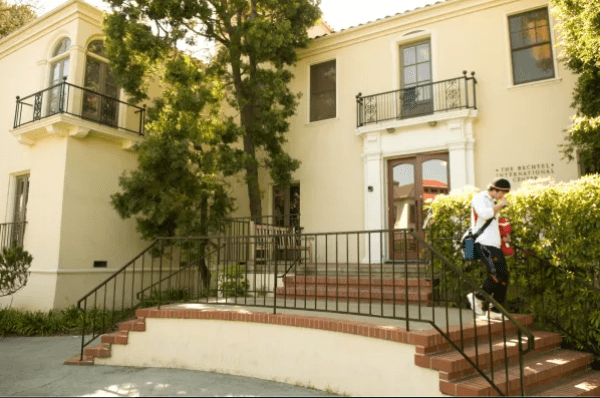
Bechtel International Center
University
International student at Stanford has visa restored amid national shift
George Porteous
•
April 25, 2025
University
US to revoke visas from students from South Sudan
Sterling Davies
•
April 7, 2025
Breaking
Six Stanford student visas revoked by federal officials
Leo Melton
and
Sterling Davies
•
April 4, 2025
Opinions
Strawser | President Trump threatens our international students and our free speech
Sebastian Strawser
•
Feb. 20, 2025
News
Nigerian students experience heightened stress due to flooding in home county
Amina Wase
•
Nov. 1, 2022
Campus Life
International students criticize Bechtel for warning against participating in non-peaceful protests
Mark Allen Cu
•
Oct. 20, 2022
News
Stanford international community watches American chaos, unrest in disbelief
Anastasiia Malenko
•
Jan. 7, 2021
University
Stanford opposes proposed ICE regulation targeting student visa durations
Tianyu Fang
•
Oct. 28, 2020
Student Government
ASSU Executive Cabinet coordinates international-student and disability advocacy
Jordan John Lee
•
Oct. 11, 2020
Opinions
Letter to the community: Undocumented students are hurting
Abi Lopez
•
Aug. 26, 2020
Opinions
Opinion: Stanford must reform Bechtel to support international and undocumented students
Trillium Chang
,
Jay Bhasin
,
Andy Fitzgerald
and
Chiara Giovanni
•
Aug. 21, 2020
World & Nation
Stanford affiliates cautiously celebrate as ICE policy on international students is rescinded
Anastasiia Malenko
•
July 14, 2020
News
International students adapt to shifting academic circumstances
Smiti Mittal
•
April 28, 2020
Campus Life
International students will not lose F-1 visa status over online courses, per new US accommodations
Kate Selig
•
March 10, 2020
News
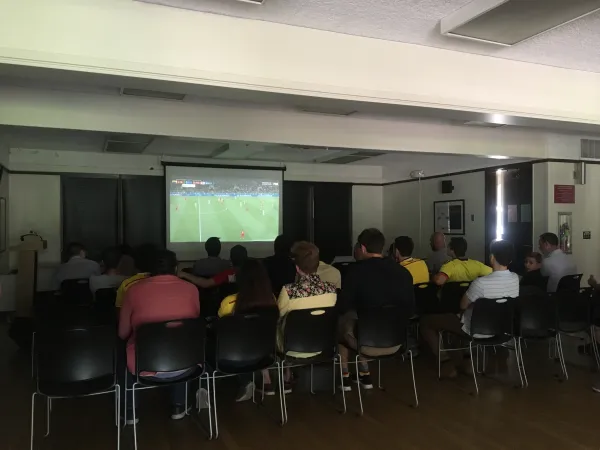
Bechtel welcomes community for World Cup viewings
Gianella Ordonez
•
July 9, 2018
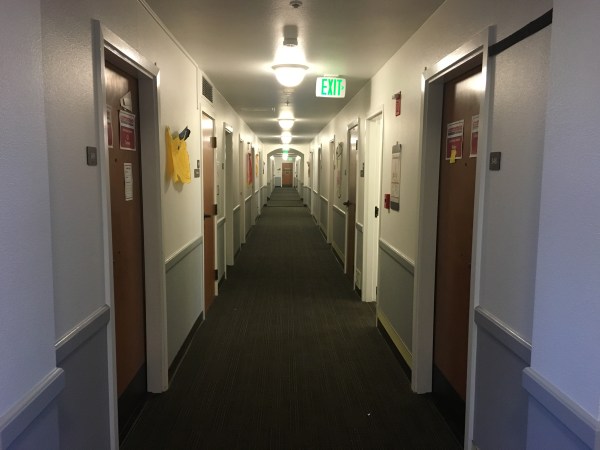
When the dorms shut down: What happens to students who don’t go home over winter break
Julia Ingram
•
Dec. 9, 2017
Benefit concert for refugees draws hundreds
Caleb Smith
•
April 10, 2017
University urges community to register travel plans amid immigration uncertainty
Hannah Knowles
•
March 7, 2017
News
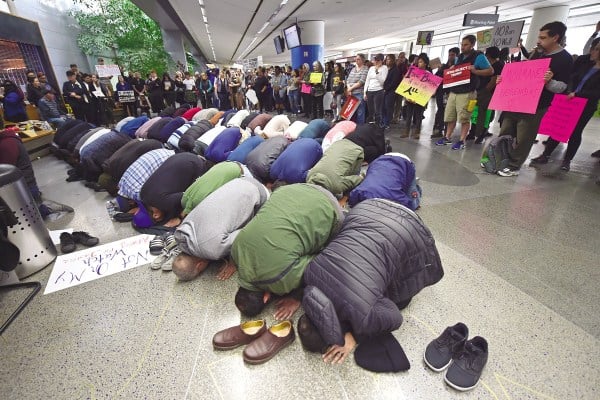
International students reeling from Trump travel ban
Celia Chen
•
Jan. 30, 2017
International students struggle to receive tax refunds
Anne-Marie Hwang
•
April 12, 2016
Previous
Page
1
Page
2
Next
Search
Search
News
Academics
Campus Life
Data
Equity Project
Graduate Students
Science & Technology
University
Sports
Fall Sports
Cross Country
Field Hockey
Football
Men’s Soccer
Men’s Water Polo
Women’s Soccer
Women’s Volleyball
Winter Sports
Fencing
Men’s Basketball
Men’s Gymnastics
Men’s Swimming & Diving
Squash
Women’s Basketball
Women’s Gymnastics
Women’s Swimming & Diving
Artistic Swimming
Wrestling
Spring Sports
Baseball
Beach Volleyball
Lacrosse
Men’s Golf
Men’s Rowing
Men’s Tennis
Men’s Volleyball
Sailing
Softball
Track & Field
Women’s Golf
Women’s Lightweight Rowing
Women’s Rowing
Women’s Tennis
Women’s Water Polo
Columnists
Features
Opinions
Columnists
Editorial Board
Letters to the Editor
Letters to the Community
Arts & Life
Culture
Music
Reads
Screen
Grind
Senior Column
Humor
Cartoons
Data
Video
Games
Daily Diminutive
Small puzzles released multiple times a week
Full-Sized Crossword
Classic NYT-style puzzles released intermittently
Stanfordle
Special Editions
Magazine
Third-Party Advertising
Search
News
Academics
Campus Life
Data
Equity Project
Graduate Students
Science & Technology
University
Sports
Fall Sports
Cross Country
Field Hockey
Football
Men’s Soccer
Men’s Water Polo
Women’s Soccer
Women’s Volleyball
Winter Sports
Fencing
Men’s Basketball
Men’s Gymnastics
Men’s Swimming & Diving
Squash
Women’s Basketball
Women’s Gymnastics
Women’s Swimming & Diving
Artistic Swimming
Wrestling
Spring Sports
Baseball
Beach Volleyball
Lacrosse
Men’s Golf
Men’s Rowing
Men’s Tennis
Men’s Volleyball
Sailing
Softball
Track & Field
Women’s Golf
Women’s Lightweight Rowing
Women’s Rowing
Women’s Tennis
Women’s Water Polo
Columnists
Features
Opinions
Columnists
Editorial Board
Letters to the Editor
Letters to the Community
Arts & Life
Culture
Music
Reads
Screen
Grind
Senior Column
Humor
Cartoons
Data
Video
Games
Daily Diminutive
Small puzzles released multiple times a week
Full-Sized Crossword
Classic NYT-style puzzles released intermittently
Stanfordle
Special Editions
Magazine
Third-Party Advertising
The Stanford Daily
Login or create an account
Username or Email Address
*
Password
Remember Me
Register
|
Lost your password?
Username or Email Address
Password
Remember Me
Log In
Lost your password?
|
Register