Search
Search
Remove Ads
Subscribe to Digest
Log in
Nate Adams
Arts & Life
Mind Games: In the Defense of Gaming
Nate Adams
•
June 1, 2012
Arts & Life
Mind Games: Custom Consoles Part II
Nate Adams
•
May 25, 2012
Arts & Life
Mind Games: Custom Consoles, Part One
Nate Adams
•
May 18, 2012
Arts & Life
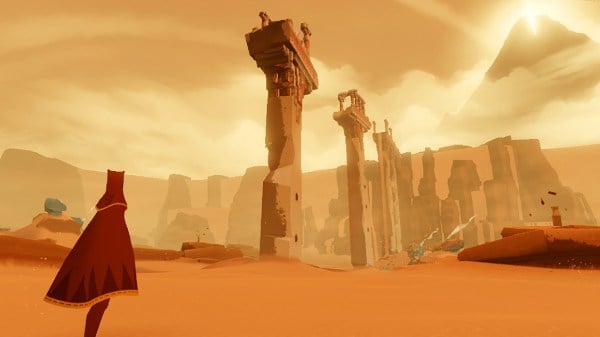
Mind Games: Journey
Nate Adams
•
May 4, 2012
Arts & Life
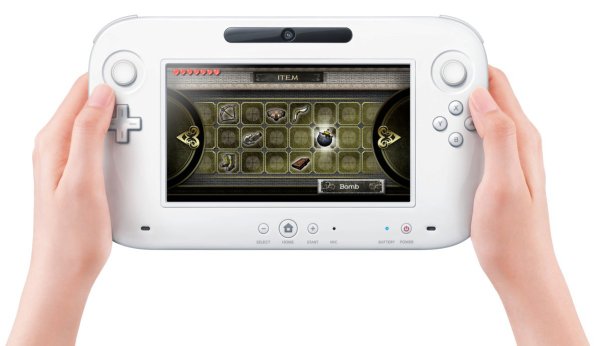
Mind Games: Dear Nintendo, Take a mulligan on Wii U’s name
Nate Adams
•
April 27, 2012
Arts & Life
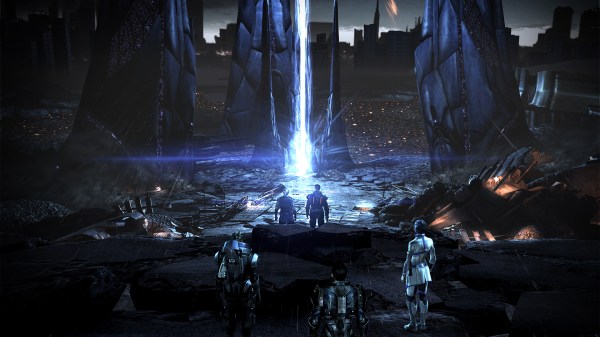
Mind Games: Mass Effect’s epic ending
Nate Adams
•
April 13, 2012
Arts & Life
Mind Games: Dangerous Alone, Part 2–What is ‘Zelda,’ Anyway?
Nate Adams
•
March 14, 2012
Arts & Life
Mind Games: Mass Effect 3
Nate Adams
•
March 9, 2012
Arts & Life
Mind Games: Indie Games Channel
Nate Adams
•
Feb. 24, 2012
Arts & Life
Mind Games: Getting meta with Mass Effect 3
Nate Adams
•
Feb. 17, 2012
Arts & Life
Mind Games: The place of plot in video game history
Nate Adams
•
Feb. 3, 2012
Arts & Life
Mind Games: Let’s get down to business
Nate Adams
•
Jan. 27, 2012
Arts & Life
Mind Games: Scouting out the year ahead
Nate Adams
•
Jan. 13, 2012
Arts & Life
Mind Games: The year in pixels
Nate Adams
•
Dec. 7, 2011
Arts & Life
Mind Games: The rise, fall and rise of creativity in gaming
Nate Adams
•
Dec. 2, 2011
Arts & Life
Mind Games: Does realism interfere with good gameplay?
Nate Adams
•
Nov. 11, 2011
Arts & Life
Mind Games: Spoil me, Baby
Nate Adams
•
Oct. 21, 2011
Arts & Life
Mind Games: Whoa there, space cowboy: Let’s wait and see with Mass Effect’s multiplayer
Nate Adams
•
Oct. 14, 2011
Arts & Life
Mind Games: Apple’s accidental empire: The unlikely rise of iOS games
Nate Adams
•
Oct. 7, 2011
Arts & Life
Mind Gamez: Happy Birthday, Nintendo 64
Nate Adams
•
Sept. 30, 2011
Previous
Page
1
Page
2
Next
Search
Search
News
Academics
Campus Life
Data
Equity Project
Graduate Students
Science & Technology
University
Sports
Fall Sports
Cross Country
Field Hockey
Football
Men’s Soccer
Men’s Water Polo
Women’s Soccer
Women’s Volleyball
Winter Sports
Fencing
Men’s Basketball
Men’s Gymnastics
Men’s Swimming & Diving
Squash
Women’s Basketball
Women’s Gymnastics
Women’s Swimming & Diving
Artistic Swimming
Wrestling
Spring Sports
Baseball
Beach Volleyball
Lacrosse
Men’s Golf
Men’s Rowing
Men’s Tennis
Men’s Volleyball
Sailing
Softball
Track & Field
Women’s Golf
Women’s Lightweight Rowing
Women’s Rowing
Women’s Tennis
Women’s Water Polo
Columnists
Features
Opinions
Columnists
Editorial Board
Letters to the Editor
Letters to the Community
Arts & Life
Culture
Music
Reads
Screen
Grind
Senior Column
Humor
Cartoons
Data
Video
Games
Daily Diminutive
Small puzzles released multiple times a week
Full-Sized Crossword
Classic NYT-style puzzles released intermittently
Stanfordle
Special Editions
Magazine
Third-Party Advertising
Search
News
Academics
Campus Life
Data
Equity Project
Graduate Students
Science & Technology
University
Sports
Fall Sports
Cross Country
Field Hockey
Football
Men’s Soccer
Men’s Water Polo
Women’s Soccer
Women’s Volleyball
Winter Sports
Fencing
Men’s Basketball
Men’s Gymnastics
Men’s Swimming & Diving
Squash
Women’s Basketball
Women’s Gymnastics
Women’s Swimming & Diving
Artistic Swimming
Wrestling
Spring Sports
Baseball
Beach Volleyball
Lacrosse
Men’s Golf
Men’s Rowing
Men’s Tennis
Men’s Volleyball
Sailing
Softball
Track & Field
Women’s Golf
Women’s Lightweight Rowing
Women’s Rowing
Women’s Tennis
Women’s Water Polo
Columnists
Features
Opinions
Columnists
Editorial Board
Letters to the Editor
Letters to the Community
Arts & Life
Culture
Music
Reads
Screen
Grind
Senior Column
Humor
Cartoons
Data
Video
Games
Daily Diminutive
Small puzzles released multiple times a week
Full-Sized Crossword
Classic NYT-style puzzles released intermittently
Stanfordle
Special Editions
Magazine
Third-Party Advertising
The Stanford Daily
Login or create an account
Username or Email Address
*
Password
Remember Me
Register
|
Lost your password?
Username or Email Address
Password
Remember Me
Log In
Lost your password?
|
Register