Search
Search
Remove Ads
Subscribe to Digest
Log in
Erika Alvero Koski
Growing up in college
Erika Alvero Koski
•
June 7, 2012
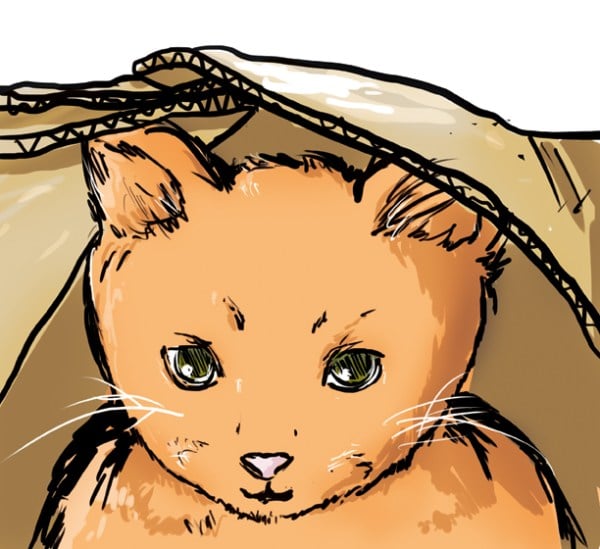
Cat tales
Erika Alvero Koski
•
May 9, 2012
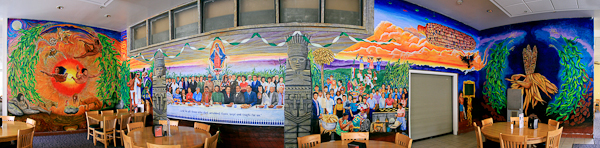
Murals mirror movements
Erika Alvero Koski
•
May 2, 2012
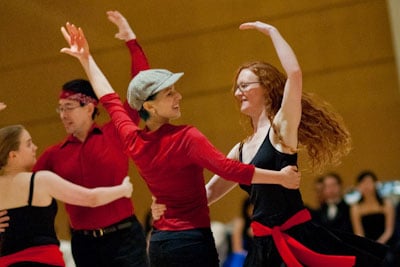
The Irish jig
Erika Alvero Koski
•
April 16, 2012
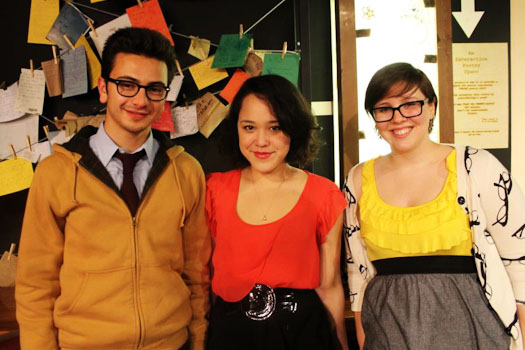
Spinning Stanford’s stories
Erika Alvero Koski
•
April 4, 2012
Old Features
Remembering the UCA massacre
Erika Alvero Koski
•
April 4, 2012
Cycling toward safety
Erika Alvero Koski
•
March 7, 2012
Santiago, que lindo!
Erika Alvero Koski
•
Oct. 12, 2011
Speaking out
Erika Alvero Koski
•
May 23, 2011
Search
Search
News
Academics
Campus Life
Data
Equity Project
Graduate Students
Science & Technology
University
Sports
Fall Sports
Cross Country
Field Hockey
Football
Men’s Soccer
Men’s Water Polo
Women’s Soccer
Women’s Volleyball
Winter Sports
Fencing
Men’s Basketball
Men’s Gymnastics
Men’s Swimming & Diving
Squash
Women’s Basketball
Women’s Gymnastics
Women’s Swimming & Diving
Artistic Swimming
Wrestling
Spring Sports
Baseball
Beach Volleyball
Lacrosse
Men’s Golf
Men’s Rowing
Men’s Tennis
Men’s Volleyball
Sailing
Softball
Track & Field
Women’s Golf
Women’s Lightweight Rowing
Women’s Rowing
Women’s Tennis
Women’s Water Polo
Columnists
Features
Opinions
Columnists
Editorial Board
Letters to the Editor
Letters to the Community
Arts & Life
Culture
Music
Reads
Screen
Grind
Senior Column
Humor
Cartoons
Data
Video
Games
Daily Diminutive
Small puzzles released multiple times a week
Full-Sized Crossword
Classic NYT-style puzzles released intermittently
Stanfordle
Special Editions
Magazine
Third-Party Advertising
Search
News
Academics
Campus Life
Data
Equity Project
Graduate Students
Science & Technology
University
Sports
Fall Sports
Cross Country
Field Hockey
Football
Men’s Soccer
Men’s Water Polo
Women’s Soccer
Women’s Volleyball
Winter Sports
Fencing
Men’s Basketball
Men’s Gymnastics
Men’s Swimming & Diving
Squash
Women’s Basketball
Women’s Gymnastics
Women’s Swimming & Diving
Artistic Swimming
Wrestling
Spring Sports
Baseball
Beach Volleyball
Lacrosse
Men’s Golf
Men’s Rowing
Men’s Tennis
Men’s Volleyball
Sailing
Softball
Track & Field
Women’s Golf
Women’s Lightweight Rowing
Women’s Rowing
Women’s Tennis
Women’s Water Polo
Columnists
Features
Opinions
Columnists
Editorial Board
Letters to the Editor
Letters to the Community
Arts & Life
Culture
Music
Reads
Screen
Grind
Senior Column
Humor
Cartoons
Data
Video
Games
Daily Diminutive
Small puzzles released multiple times a week
Full-Sized Crossword
Classic NYT-style puzzles released intermittently
Stanfordle
Special Editions
Magazine
Third-Party Advertising
The Stanford Daily
Login or create an account
Username or Email Address
*
Password
Remember Me
Register
|
Lost your password?
Username or Email Address
Password
Remember Me
Log In
Lost your password?
|
Register