Search
Search
Remove Ads
Subscribe to Digest
Log in
Catherine Zaw
Catherine Zaw was formerly the Managing Editor of News for Vol. 245 and Vol. 246. To contact her, please email
[email protected]
.
Gas leak on Campus Drive leads to athletic facility evacuations
Catherine Zaw
•
April 30, 2014
STAND protests speech by Rwandan president
Catherine Zaw
•
April 29, 2014
ProFros brave Admit Weekend despite rain
Catherine Zaw
•
April 29, 2014
ASSU launches emotional wellness campaign
Catherine Zaw
•
April 24, 2014
Three Stanford grad students win prestigious Hertz Fellowship
Catherine Zaw
•
April 24, 2014
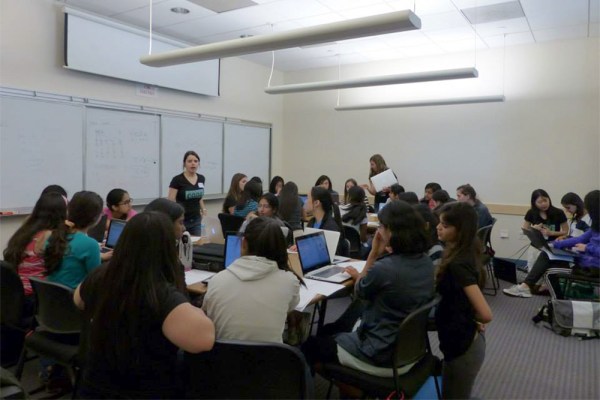
Code Camp empowers high school girls with computer science education
Catherine Zaw
•
April 22, 2014
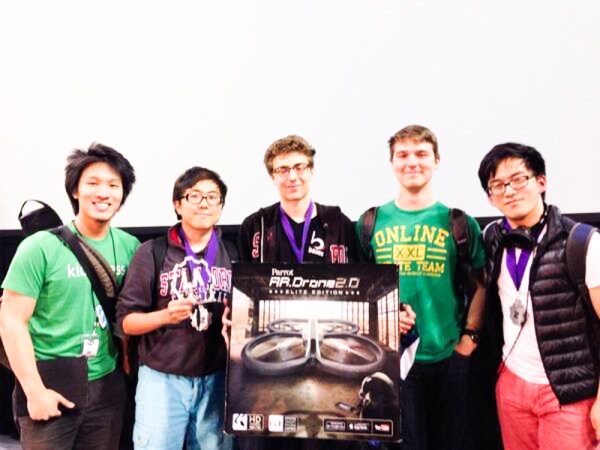
Undergraduates win second place at LAHacks
Catherine Zaw
•
April 21, 2014
VPUE’s Leadership Intensive program more popular than anticipated
Catherine Zaw
•
April 17, 2014
Meyer Library launches new community-operated workplace
Catherine Zaw
•
April 16, 2014
Freeman Spogli Institute introduces new International Policy Implementation Lab
Catherine Zaw
•
April 15, 2014
Researchers find metadata reveals personal information
Catherine Zaw
•
April 14, 2014
Stanford unveils new online courses connecting professors and professionals
Catherine Zaw
•
April 7, 2014
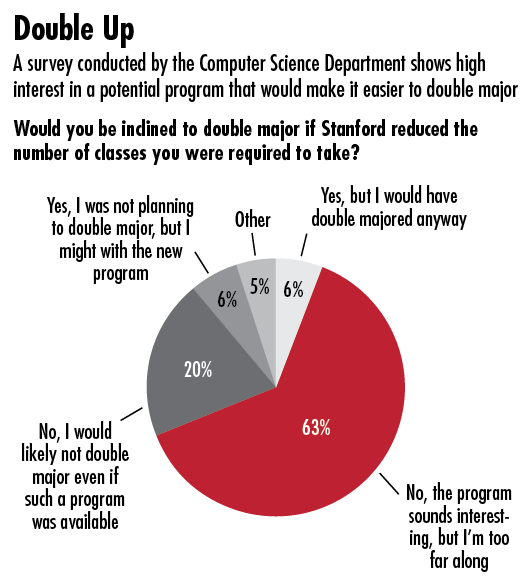
New joint major program to be offered next fall
Catherine Zaw
•
April 3, 2014
Stanford team places first in Breast Cancer Startup Challenge
Catherine Zaw
•
April 2, 2014
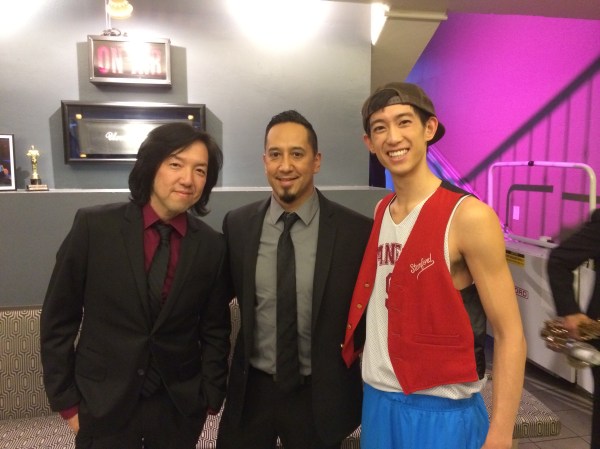
Chang becomes Internet star for cowbell antics
Catherine Zaw
•
March 31, 2014
GSC denies funding for controversial “anti-LGBT” event
Catherine Zaw
•
March 12, 2014
Stanford Ignite welcomes humanities grad students, Silicon Valley
Catherine Zaw
•
March 5, 2014
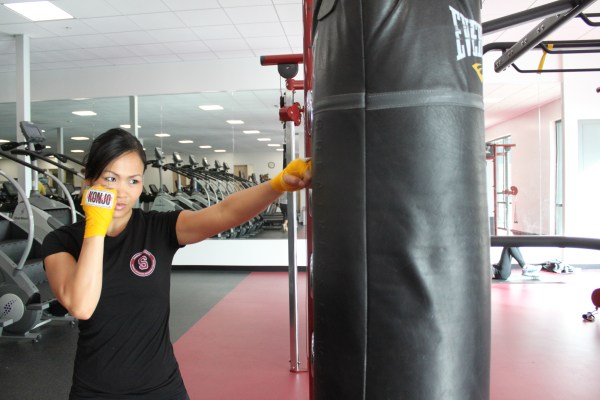
Stanford leads Pac-12 fitness challenge
Catherine Zaw
•
Feb. 28, 2014
Stanford in Washington offers new arts track
Catherine Zaw
•
Feb. 27, 2014
Green Living Council launches dorm composting projects
Catherine Zaw
•
Feb. 27, 2014
Previous
Page
1
Page
2
Page
3
Page
4
Page
5
…
Page
8
Next
Search
Search
News
Academics
Campus Life
Data
Equity Project
Graduate Students
Science & Technology
University
Sports
Fall Sports
Cross Country
Field Hockey
Football
Men’s Soccer
Men’s Water Polo
Women’s Soccer
Women’s Volleyball
Winter Sports
Fencing
Men’s Basketball
Men’s Gymnastics
Men’s Swimming & Diving
Squash
Women’s Basketball
Women’s Gymnastics
Women’s Swimming & Diving
Artistic Swimming
Wrestling
Spring Sports
Baseball
Beach Volleyball
Lacrosse
Men’s Golf
Men’s Rowing
Men’s Tennis
Men’s Volleyball
Sailing
Softball
Track & Field
Women’s Golf
Women’s Lightweight Rowing
Women’s Rowing
Women’s Tennis
Women’s Water Polo
Columnists
Features
Opinions
Columnists
Editorial Board
Letters to the Editor
Letters to the Community
Arts & Life
Culture
Music
Reads
Screen
Grind
Senior Column
Humor
Cartoons
Data
Video
Games
Daily Diminutive
Small puzzles released multiple times a week
Full-Sized Crossword
Classic NYT-style puzzles released intermittently
Stanfordle
Special Editions
Magazine
Third-Party Advertising
Search
News
Academics
Campus Life
Data
Equity Project
Graduate Students
Science & Technology
University
Sports
Fall Sports
Cross Country
Field Hockey
Football
Men’s Soccer
Men’s Water Polo
Women’s Soccer
Women’s Volleyball
Winter Sports
Fencing
Men’s Basketball
Men’s Gymnastics
Men’s Swimming & Diving
Squash
Women’s Basketball
Women’s Gymnastics
Women’s Swimming & Diving
Artistic Swimming
Wrestling
Spring Sports
Baseball
Beach Volleyball
Lacrosse
Men’s Golf
Men’s Rowing
Men’s Tennis
Men’s Volleyball
Sailing
Softball
Track & Field
Women’s Golf
Women’s Lightweight Rowing
Women’s Rowing
Women’s Tennis
Women’s Water Polo
Columnists
Features
Opinions
Columnists
Editorial Board
Letters to the Editor
Letters to the Community
Arts & Life
Culture
Music
Reads
Screen
Grind
Senior Column
Humor
Cartoons
Data
Video
Games
Daily Diminutive
Small puzzles released multiple times a week
Full-Sized Crossword
Classic NYT-style puzzles released intermittently
Stanfordle
Special Editions
Magazine
Third-Party Advertising
The Stanford Daily
Login or create an account
Username or Email Address
*
Password
Remember Me
Register
|
Lost your password?
Username or Email Address
Password
Remember Me
Log In
Lost your password?
|
Register